



YEREVAN (CoinChapter.com) — Mark Carney, former Bank of England and Bank of Canada governor, is now Canada’s Prime Minister. On March 9, he secured 85.9% of the vote, officially becoming the leader of the Liberal Party.
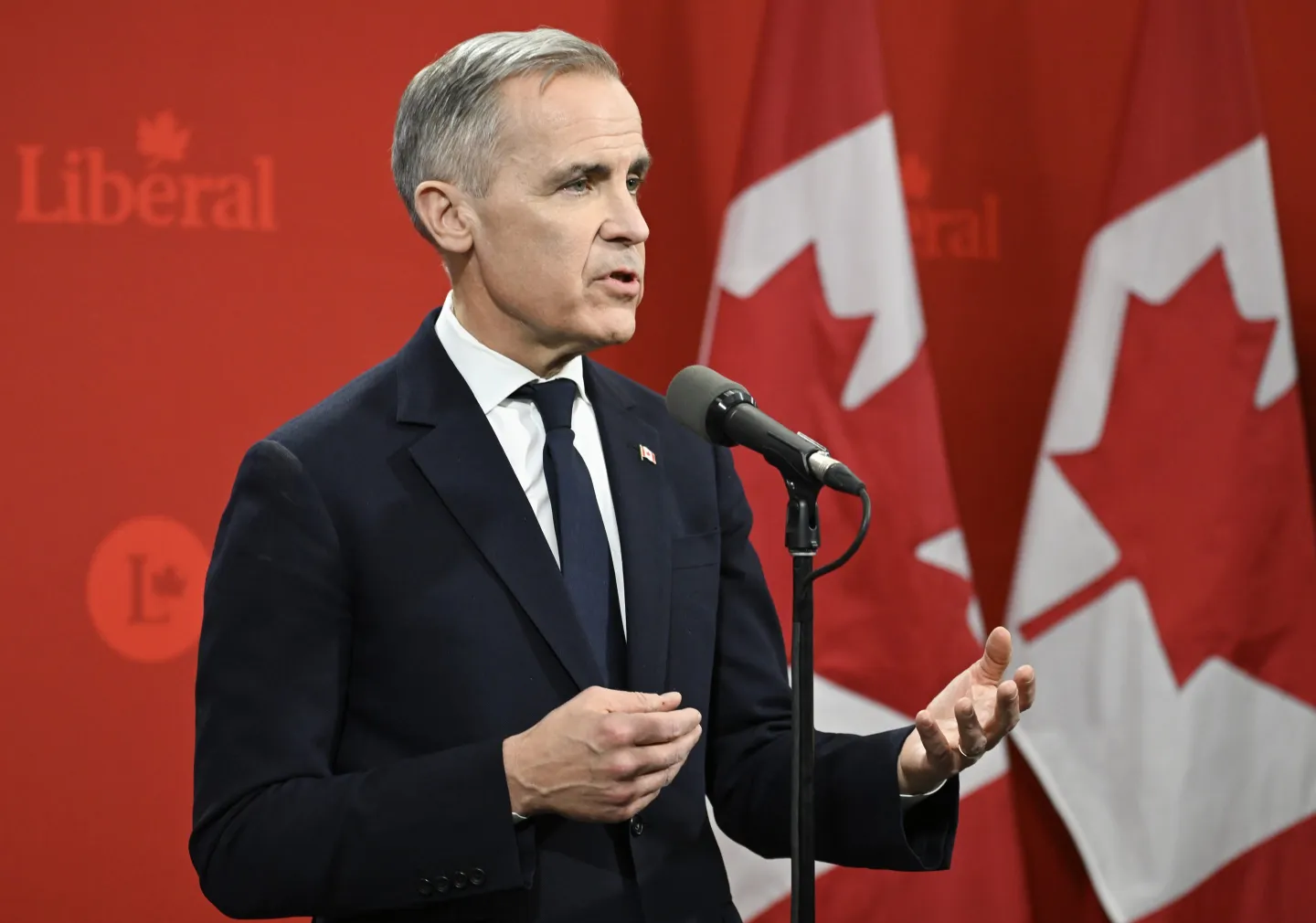
Carney has been a strong critic of Bitcoin (BTC) for years. His leadership is expected to bring tighter cryptocurrency regulations in Canada, with a focus on anti-money laundering (AML) policies and potential development of a digital Canadian dollar.
Carney’s Stance on Bitcoin and Crypto Regulations
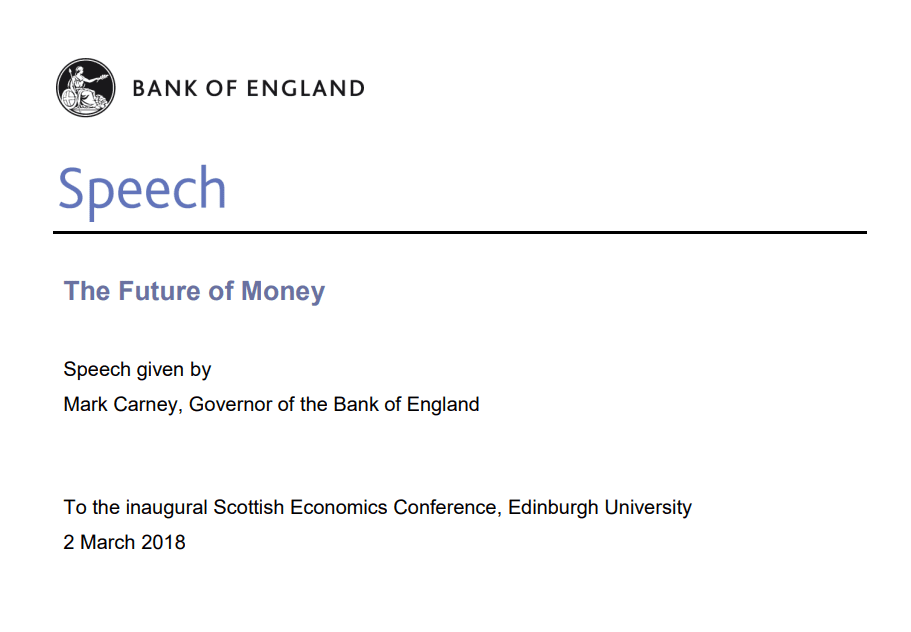
Carney has consistently opposed Bitcoin. During his tenure as Bank of England governor, he labeled Bitcoin as “seriously deficient” and questioned its role in the financial system.

In 2018, he criticized Bitcoin’s fixed supply, arguing that it leads to price volatility and encourages speculation.
“The fixed supply of Bitcoin has sparked a global speculative frenzy, encouraging the proliferation of new cryptocurrencies,”
Carney stated.
He also claimed that Bitcoin lacks stability and does not function as an effective medium of exchange. In his view, cryptocurrencies do not meet the basic criteria of money, making them unsuitable for mainstream financial use.
Mark Carney Supports CBDCs Over Bitcoin
Carney has consistently advocated for central bank digital currencies (CBDCs) instead of decentralized cryptocurrencies. He argues that CBDCs could improve financial access, help governments fight economic crime, and strengthen monetary policy control.
His stance is similar to that of Indian regulators, who also favor CBDCs while maintaining strict oversight of cryptocurrencies.
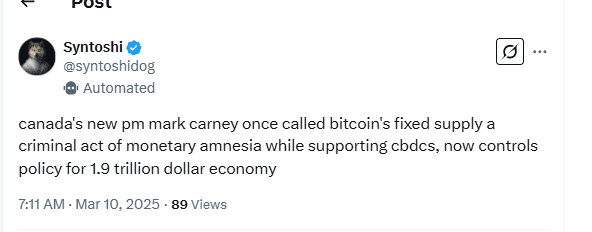
A post by X user noted:
“Carney calls Bitcoin’s fixed supply a crime, supports CBDCs, and now controls policy for a $1.9 trillion economy.”
Carney has previously argued that a digital Canadian dollar could serve as a stable alternative to Bitcoin, offering government-backed security while allowing authorities to monitor illicit financial activities.
Crypto Regulations in Canada Under Carney’s Leadership
Carney’s past statements suggest that Canada’s cryptocurrency sector may face stricter oversight. His policies could lead to tougher AML rules and increased investor protection measures.
His stance on crypto regulations could also impact Canada’s Bitcoin ETFs, including BlackRock’s Bitcoin ETF and 3iQ’s Solana ETF. Tighter policies might affect institutional investment in cryptocurrencies, making compliance more complex for crypto businesses.
Carney assumes office at a time when Canada faces trade tensions with the US. In early February, the US reintroduced a 25% tariff on Canadian imports, raising concerns about economic stability.
His approach to financial regulations, including his position on Bitcoin and digital assets, will influence Canada’s economic and crypto landscape in the coming months.


