


On June 24, 2025, Binance Alpha added Newton Protocol (NEWT) to its platform. At the same time, the project team confirmed a 10% airdrop of the total NEWT token supply.
Key Snapshot and Eligibility Info for NEWT Airdrop
The Newton Protocol team set the token supply at 1 billion NEWT. From that, 100 million tokens will go toward airdrop rewards. To be eligible, users needed to interact with the Kaito platform. The snapshot for eligibility was taken on June 20, 2025, at 7:59 UTC.
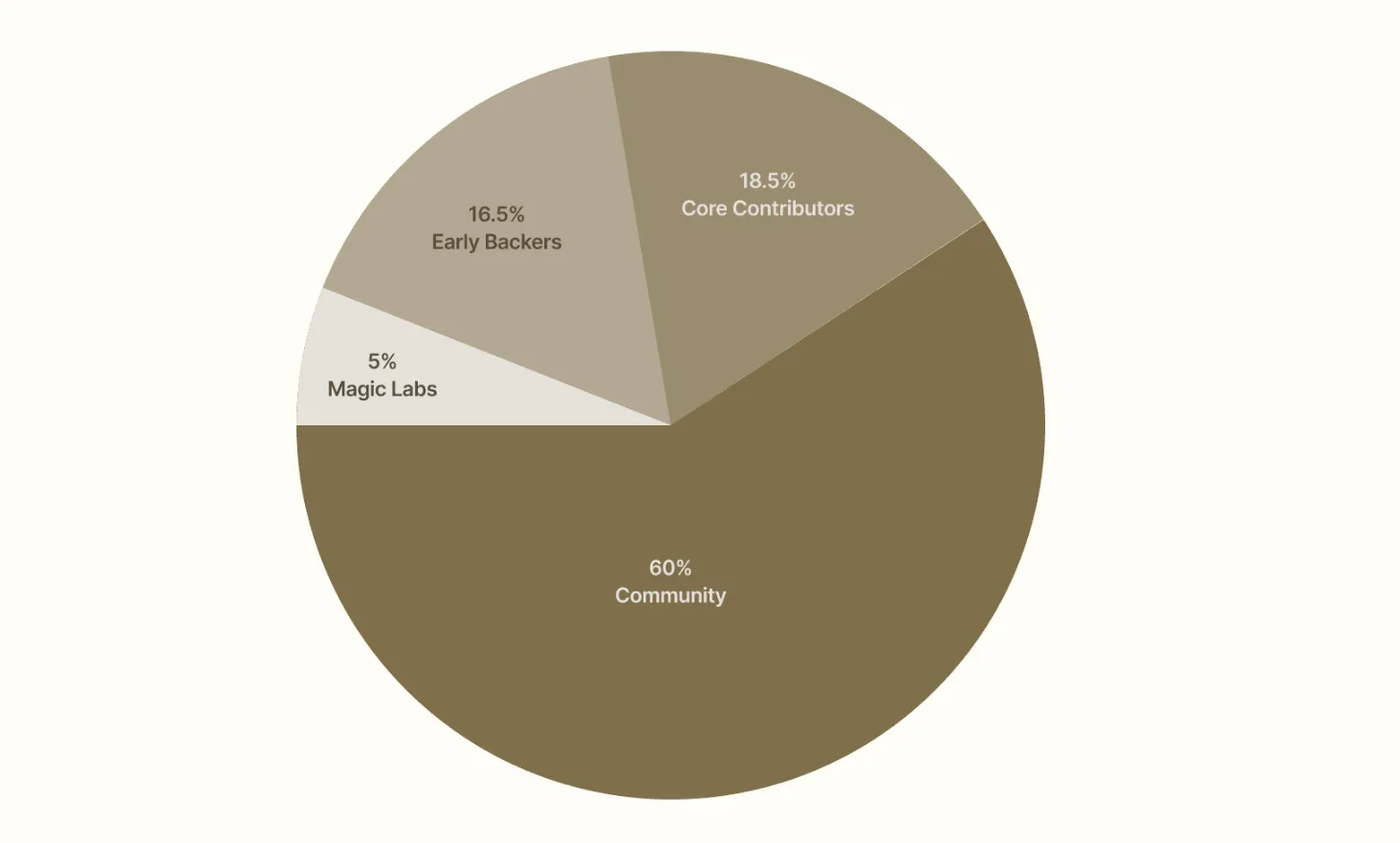
Out of the total supply:
– 60% goes to community-related programs like liquidity, development, incentives, and treasury support.
– 40% is reserved for internal stakeholders such as early investors, Magic Labs, and contributors, with vesting schedules.
From the airdrop share, 0.9% is set aside specifically for Kaito rewards.
Newton Protocol Combines AI and Blockchain for Secure Automation
Magic Labs developed Newton Protocol as an on-chain automation tool. It lets users assign complex actions across different blockchains to AI agents. These agents use cryptographic proofs to complete tasks securely.
The project received $90 million in funding from backers including PayPal Ventures and Polygon. This support raised expectations, especially after earlier underperformance by other AI-related platforms on Binance Alpha.
The NEWT token aims to support network usage and reward early community engagement.
Newton Brings Secure Automation to Web3
Newton Protocol is a new crypto project from Magic Labs and the Magic Newton Foundation. It aims to change how people interact with decentralized finance (DeFi). Instead of manually handling blockchain tasks, users can now delegate them to AI agents. These agents follow cryptographic rules, so users keep full control of their assets while letting automation do the work.
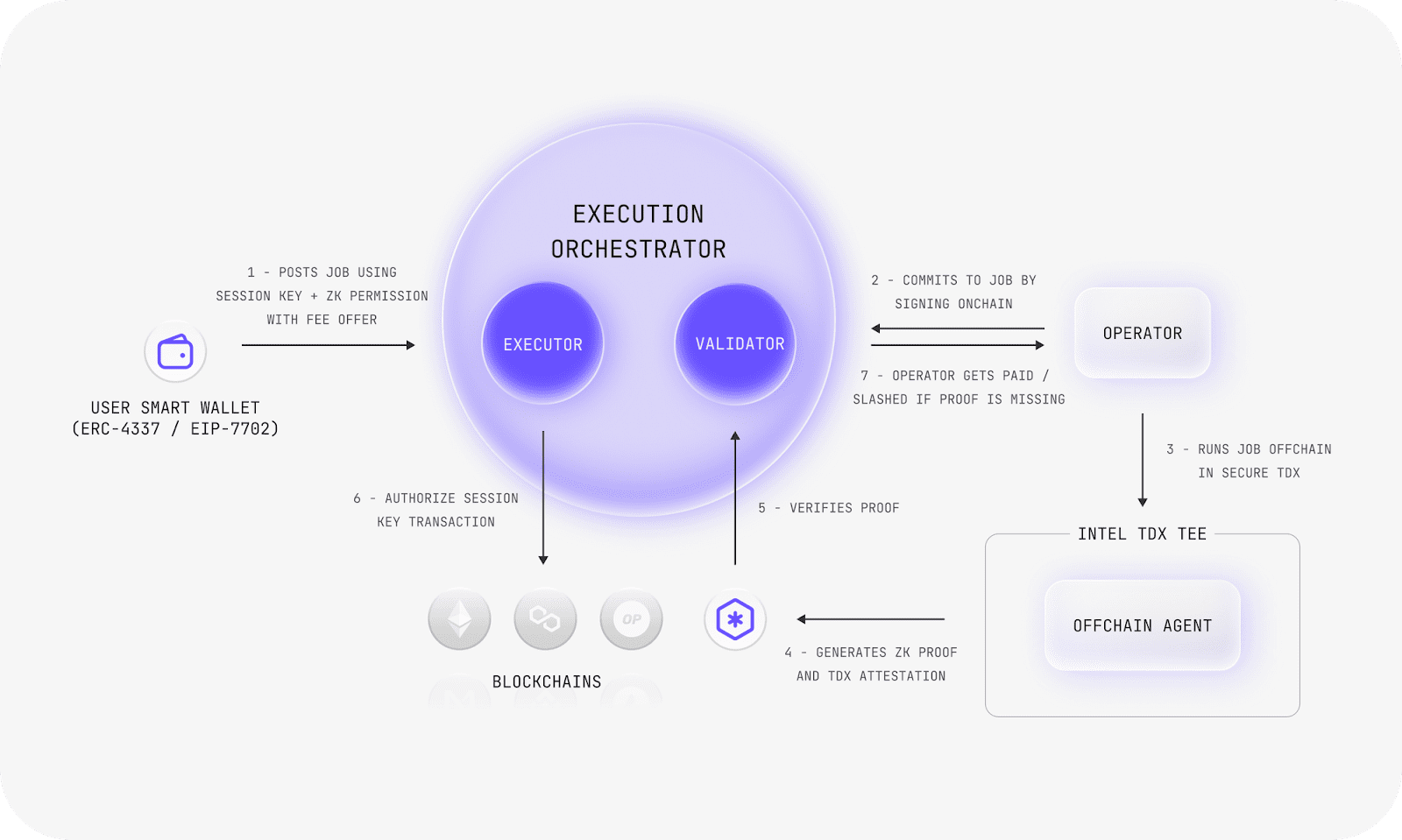
The protocol combines Trusted Execution Environments (TEEs) and Zero-Knowledge Proofs (ZKPs). Together, they allow AI agents to execute tasks off-chain and prove their actions without exposing user data. This setup keeps the system secure and transparent while reducing gas costs.
Solving Web3’s Complexity With AI Agents
Web3 has long been difficult for everyday users. Tasks like staking, swapping tokens, or bridging assets across blockchains often require technical knowledge. Many tools are also fragmented, forcing users to switch between wallets and platforms. Newton aims to remove these barriers by offering one interface that handles everything.
Its AI agents are not like existing bots. They operate under strict rules with clear limits. Users give specific permissions and can revoke access at any time. Every task is verified through cryptographic proofs. This system avoids common problems seen with centralized bots that require private key access.
The protocol also introduces a reputation model. AI agents earn trust based on performance. A decentralized marketplace lets users pick agents based on their track records. Developers can also build new tools using Newton’s SDKs, while operators maintain infrastructure and earn rewards for securing the system.
How the Protocol Works Under the Hood
The Newton ecosystem supports different types of participants. Regular users assign tasks to AI agents and focus on results. These agents then carry out the actions in secure environments. Operators ensure the process runs fairly. Developers create and upgrade automation tools. Each role supports the broader goal of building a trusted, open DeFi platform.
With this structure, Newton creates a permissionless space where anyone can take part. The system ensures that every action follows strict verification and no one can alter results behind the scenes.
NEWT has several uses across the platform. Users can stake it to help secure the network through a delegated proof-of-stake system. The token also pays for gas fees during automation tasks. Developers listing AI agents on the Newton Model Registry will pay in NEWT and receive royalties for usage. As the protocol moves toward full decentralization, NEWT will also give holders voting rights over future changes.
Binance Listing and HODLer Airdrop Timeline
Binance listed NEWT on June 24, 2025, through its HODLer Airdrop program. This was the 24th project listed under the program. A total of 12.5 million tokens were distributed to users who held BNB in Simple Earn or On-Chain Yields between June 14 and June 17. Tokens appeared in users’ spot wallets one hour before trading opened.
Trading pairs on Binance included NEWT/USDT, NEWT/USDC, NEWT/FDUSD, NEWT/BNB, and NEWT/TRY. After the listing, the token also became available on Binance Alpha for early participants. However, this Alpha access ended once spot trading went live.
Adoption Grows Fast After Launch
Newton Protocol attracted over one million sign-ups within its first month. It also recorded hundreds of thousands of transactions. Backers include PayPal Ventures, Polygon, and other major firms. These early results show strong demand for automation that works without sacrificing safety or control.
With a mobile app in the works, Newton plans to expand beyond experienced crypto users. The app will offer a simplified way for people to use DeFi tools without dealing with technical steps. This shift could push Web3 adoption forward by making on-chain finance more accessible.
Why Newton Stands Out in the DeFi Landscape
The DeFi world has many tools, but most are hard to use and lack trust. Newton Protocol changes that by combining AI automation with strong verification. Every agent must prove its actions, and users always stay in charge.
Instead of trusting a centralized system or dealing with the complexity of DeFi manually, Newton gives users another option. It offers control, transparency, and automation in one platform. With strong funding, early user growth, and a clear structure, Newton aims to become a leading player in secure DeFi automation.


