


The European Union has approved 53 crypto firms under its MiCA regulation, allowing them to operate across 30 EEA countries without needing separate national licenses. The approved entities include 39 crypto-asset service providers (CASPs) and 14 e-money token (EMT) issuers, as confirmed by Patrick Hansen, EU Policy Head at Circle.
The updated list includes major crypto platforms such as Coinbase, Kraken, Bitstamp, and OKX. Fintech companies and traditional finance groups like Robinhood, Trade Republic, and BBVA are also among the licensed firms.

These firms now meet MiCA compliance requirements, enabling cross-border services across the European Economic Area. The official list is part of the European Securities and Markets Authority’s (ESMA) MiCA register.
Germany and the Netherlands lead the approvals, accounting for 23 of the 39 CASPs. On the stablecoin side, France, Germany, and the Netherlands represent 9 of the 14 EMT issuers. These include 20 fiat-backed stablecoins, mostly tied to the euro or dollar, now operating legally in seven EU countries.
Tether’s USDT Not Approved Under MiCA Regulation
Tether, issuer of USDT, is not among the 14 approved EMT issuers under the MiCA licenses. The company has not yet met MiCA compliance due to transparency and audit-related issues. Tether has not conducted a full independent audit since 2017, despite repeated public commitments.
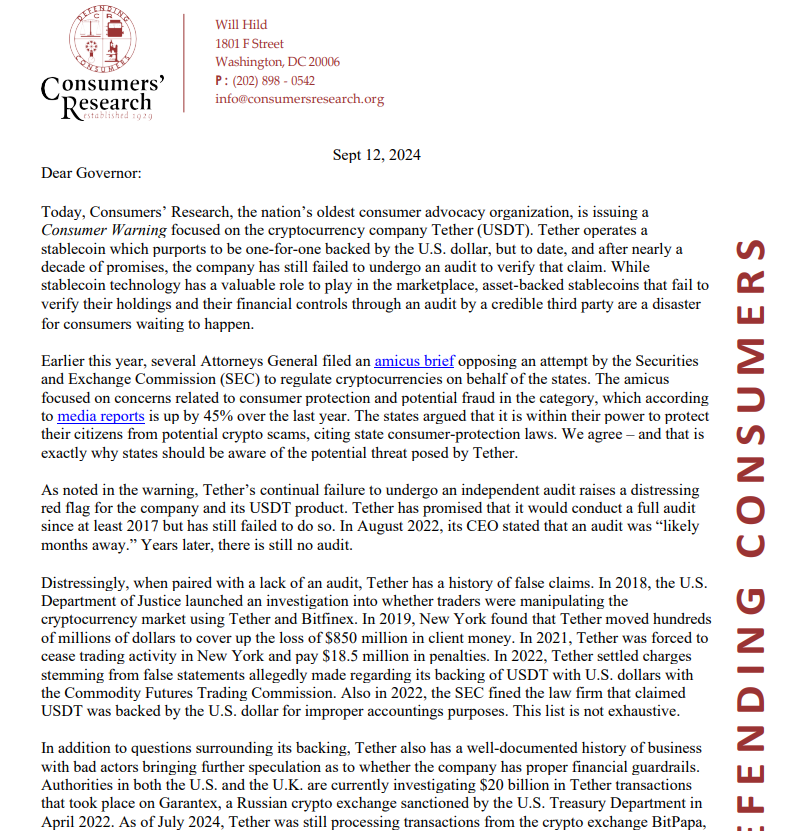
A report from Consumers Research criticized the firm, stating:
“Tether has promised that it would conduct a full audit since at least 2017 but has still failed to do so.”
In an April 2025 interview, CEO Paolo Ardoino said Tether was still searching for a suitable auditor.
“So, you are a Big Four auditing firm, and you have the entire banking industry that is your customer. Why would you risk 100,000 customers for a couple of stablecoins?”
he explained, highlighting reluctance from auditors after incidents like FTX.
Tether continues to use attestations instead of full audits to support its USDT reserves. However, MiCA regulation demands higher levels of transparency and governance, which may be blocking Tether’s entry.
Binance Excluded from MiCA Licenses Amid EU Regulatory Scrutiny
Binance also failed to obtain MiCA licenses, marking its continued struggle to meet MiCA compliance in the European Union. In 2023 and 2024, Binance pulled out of several EU countries, including Germany, Cyprus, and the Netherlands, due to rising regulatory pressure.
The company made several operational changes in response. It disabled copy trading and restricted unregulated stablecoin activity within the EU. These steps came as it faced stricter oversight under MiCA regulation.
At the same time, French authorities launched an investigation into Binance over alleged money laundering violations, further affecting its licensing status.
The exchange’s current absence from the list of MiCA-approved CASPs indicates unresolved compliance issues with the new regulatory framework. According to data from the ESMA MiCA register, Binance has not yet met the regulatory threshold required for operation under MiCA licenses.

MiCA Regulation Update Expected in September 2025
The Markets in Crypto-Assets (MiCA) law entered into force in 2024, with a phased rollout for CASPs starting in January 2025 and for EMT issuers in July 2024. The framework includes strict governance, audit, and transparency rules for crypto companies operating in the European Union.
A regulatory update is expected in September 2025, marking nine months since MiCA began applying to CASPs. Authorities will provide a progress report on licensing and compliance enforcement across the EEA.
The current MiCA licensing list sets the legal basis for crypto firms offering services within the EU. Entities not listed under the ESMA MiCA register remain ineligible for cross-border crypto operations within the region.


