


Task Description
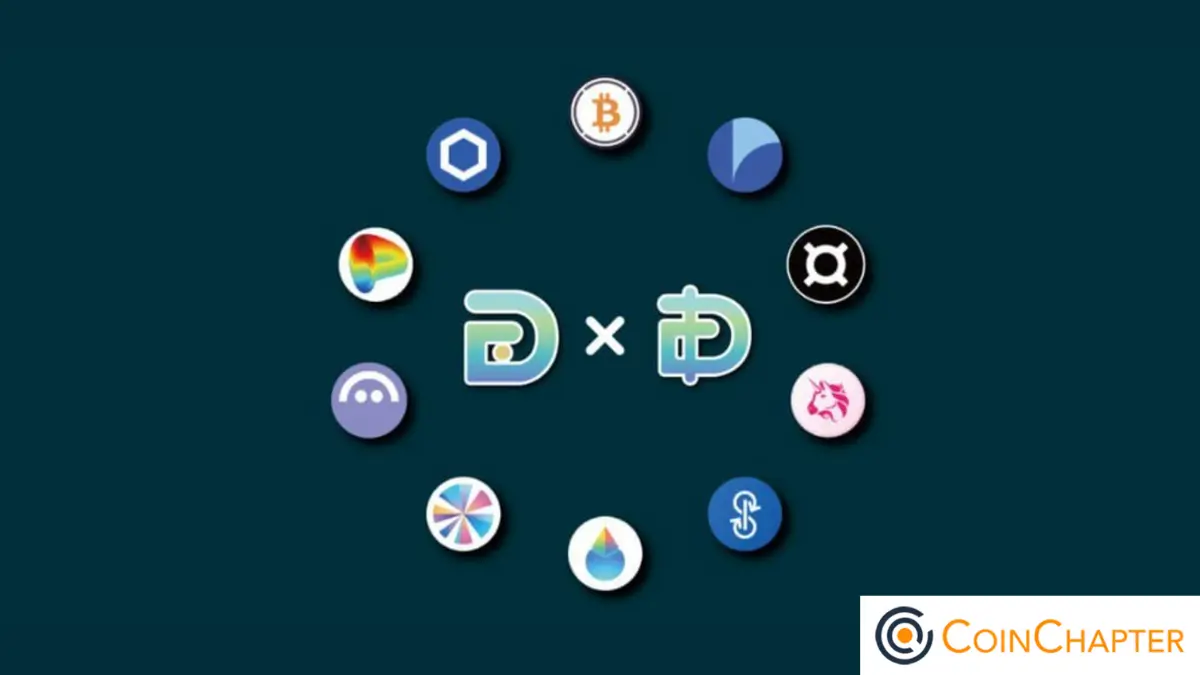
The DeFi Dollar Airdrop is attracting strong attention in the decentralized finance space, with nearly half of the project’s token supply allocated to early participants. Built as a friendly fork of Liquity on Ethereum Mainnet, DeFi Dollar enables users to borrow USDFI, a decentralized stablecoin, by collateralizing popular DeFi assets such as AAVE, CRV, FRAX, LDO, LINK, LQTY, SKY, UNI, WBTC, and YFI.
The protocol operates in a non-custodial way, allowing users to retain ownership of collateral while unlocking liquidity. By leveraging Liquity’s proven design and expanding collateral options, DeFi Dollar introduces flexibility for Ethereum-based asset holders.
Breaking Down the DeFi Dollar Airdrop
The DeFi Dollar Airdrop officially runs until September 16, 2025, with a snapshot scheduled to determine final token allocations. A total of 40% of the DEFI supply is reserved for community participants through this distribution.
The protocol allocates another 4% of the supply to the Liquity community, giving 2.75% to Liquity V2 Leaderboard users and reserving 1.25% for liquidity providers in BOLD/USDFI/ebUSD/USDaf Curve pools. This distribution strategy strengthens ties between DeFi Dollar and Liquity while rewarding ecosystem contributors.
Eligibility for the DeFi Dollar Airdrop depends on protocol activity, including borrowing USDFI, providing Curve liquidity, or depositing tokens into stability pools. A retroactive rewards model ensures allocations favor active engagement over passive holding.
How to Farm the DeFi Dollar Airdrop
Participants can increase their allocation in the DeFi Dollar Airdrop through several steps:
1. Acquire ETH and Collateral Assets
- Purchase ETH or stablecoins on Ethereum mainnet.
- Swap for supported assets such as AAVE, CRV, LDO, or LINK through DeFiLlama Swap or other decentralized exchanges.

2. Borrow USDFI
- Open a borrowing position on the DeFi Dollar platform.
- Supply collateral and mint USDFI at a safe collateralization ratio.

3. Participate in Stability Pools
- Deposit USDFI into a stability pool to participate in the protocol.
- Receive collateral from liquidated positions in the pool.

4. Provide Liquidity on Curve
- Add liquidity to USDFI pools such as USDFI/frxUSD and USDFI/BOLD on Curve Finance.
- Earn trading fees and additional incentives.
Broader Impact of the DeFi Dollar Airdrop
The DeFi Dollar Airdrop reflects a broader industry trend of prioritizing community-driven distribution instead of venture capital funding. By directing nearly half of its supply to users and Liquity supporters, the project emphasizes engagement as the main path to adoption.
USDFI, the protocol’s stablecoin, serves multiple purposes in trading, lending, and liquidity farming. However, users must actively manage collateralization ratios to avoid liquidation, especially during volatile market conditions. As the September 16 deadline approaches, users’ participation will determine reward distribution and the depth of liquidity within the protocol.
Frequently Asked Questions
When does the DeFi Dollar Airdrop end?
The airdrop runs until September 16, 2025. A snapshot of user activity and balances will finalize allocations.
Who is eligible for the DeFi Dollar Airdrop?
Eligibility requires interaction with the protocol, such as borrowing USDFI, providing Curve liquidity, or depositing into stability pools.
How are rewards determined in the DeFi Dollar Airdrop?
Rewards are calculated through a retroactive model. Active participants receive higher allocations based on borrowing, deposits, and liquidity contributions.
What is the role of USDFI in the DeFi Dollar Airdrop?
USDFI functions as a decentralized stablecoin for trading, lending, and liquidity activities, allowing users to access liquidity while keeping collateral locked.
What risks are involved in the DeFi Dollar Airdrop?
The main risk is liquidation if collateral ratios fall too low. Market volatility also increases exposure, requiring users to monitor positions closely.


