



British Columbia will enforce a permanent crypto mining ban on new BC Hydro connections starting fall 2025. The province tied the crypto mining ban to unprecedented electricity demand and a need to prioritize the power grid. It introduced related limits on data centers and AI power use.
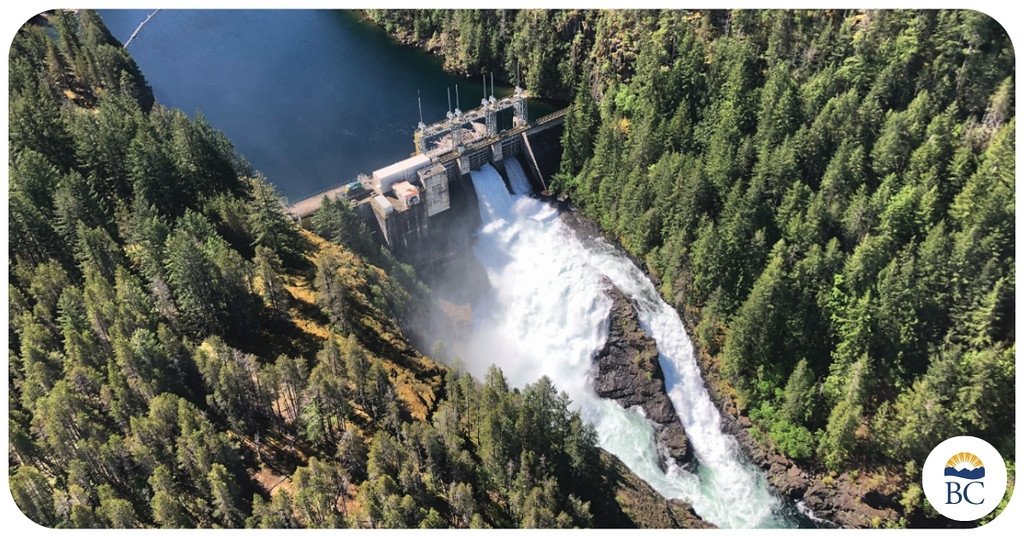 Hydro Power Station in British Columbia. Source: Government of British Columbia
Officials said the package aims to support the economy while managing electricity demand. They highlighted access to reliable, clean power at competitive industrial rates as a key condition. The crypto mining ban applies to new connections; the statement did not change rules for existing sites.
The British Columbia release described crypto mining as having “disproportionate energy consumption and limited economic benefit.” By contrast, it said data centers and AI should grow “in a manner that results in the greatest benefit to people in British Columbia.” The power grid allocation framework reflects those choices.
BC Hydro, Data Centers, and AI: Managing Electricity Demand
BC Hydro supplies power to more than 5 million people, about 95% of the province. The utility cited unprecedented demand from traditional industries and new digital loads. That list includes mining, natural gas and LNG, data centers, and AI.
Charlotte Mitha, BC Hydro president and CEO, said: “We’re seeing unprecedented demand from traditional and emerging industries.” She added the strategy lets BC Hydro manage growth “responsibly,” keeping the power grid reliable and energy “clean and affordable.” The British Columbia plan sets the conditions for that approach.
The province signaled a friendlier stance toward data centers and AI than toward crypto mining. It introduced power limits for these sectors to manage electricity demand. The crypto mining ban on new BC Hydro hookups marks the sharpest policy change.
Crypto Mining Analysts Push Back: Energy and Benefit Claims
Some crypto mining analysts dispute the “limited economic benefit” characterization. They cite flexible load programs, curtailment, and local service jobs. They also point to methane mitigation pilots and demand response.
Daniel Batten, a Bitcoin environmentalist, regularly challenges negative narratives. He argues that crypto mining can support climate goals in specific contexts. His updates frame electricity demand as manageable when miners act as flexible loads.

The British Columbia background note did not publish detailed metrics behind its claims. It focused on power grid priorities and overall electricity demand. The debate between provincial assessments and site-level studies will likely continue.
From Moratorium to Permanent Ban: Timeline and Scope
In December 2022, British Columbia began an 18-month moratorium on new crypto mining connections. The province said it needed time to design a lasting framework. That review covered residents, businesses, and high-load industrial users.
The new update converts the moratorium into a permanent ban on new BC Hydro connections for crypto mining. The effective date is fall 2025, giving time for implementation. Alongside the crypto mining ban, the province set power limits for data centers and AI.
Officials reiterated their plan to guide data centers and AI growth. The shift allocates scarce megawatts toward those priorities. The power grid policy now draws a firm line between crypto mining and other digital sectors.
Existing Operators: Bitfarms and Iren Face Practical Questions
The announcement did not specify changes for existing crypto mining operations. It remains unclear how the crypto mining ban will affect expansions or upgrades. British Columbia has not detailed rules for connection modifications.
Bitfarms and Iren operate Bitcoin mining or AI-focused data centers within the province. They will watch implementation steps that touch reinvestment or capacity requests. The power grid limits for data centers and AI could also shape planning.
Companies may assess whether to concentrate growth in British Columbia or elsewhere. They could also review on-site generation or hybrid energy sources. The market will track how BC Hydro applies the new policy to current customers.
Government Rationale: Electricity Demand and Economic Benefit
The British Columbia statement said “there are significant opportunities” in traditional sectors and in data centers and AI. It tied project success to “reliable, clean electricity at a competitive industrial rate.” That framing supports the power grid allocation.
Officials said the crypto mining ban reflects the sector’s high load with fewer spillover gains. The policy prioritizes data centers and AI for long-term public benefit. The fall 2025 start date sets a clear schedule for BC Hydro and customers.
BC Hydro’s mandate remains grid reliability and affordability. The province’s electricity demand outlook informed the decisions. Under that outlook, crypto mining will not receive new BC Hydro connections in British Columbia.


