




YEREVAN (CoinChapter.com) — Joseph Lubin, co-founder of Ethereum, accuses the U.S. Securities and Exchange Commission (SEC) of deliberately hindering the potential transformation of the banking landscape through strategic enforcement rather than constructive dialogue.
Speaking at the FT Live’s Crypto and Digital Asset Summit in London, Lubin criticized the SEC for its approach to regulating the cryptocurrency industry, particularly targeting SEC Ethereum interactions. He argues that the SEC’s actions, which instill fear, uncertainty, and doubt, effectively stifle innovation and growth.
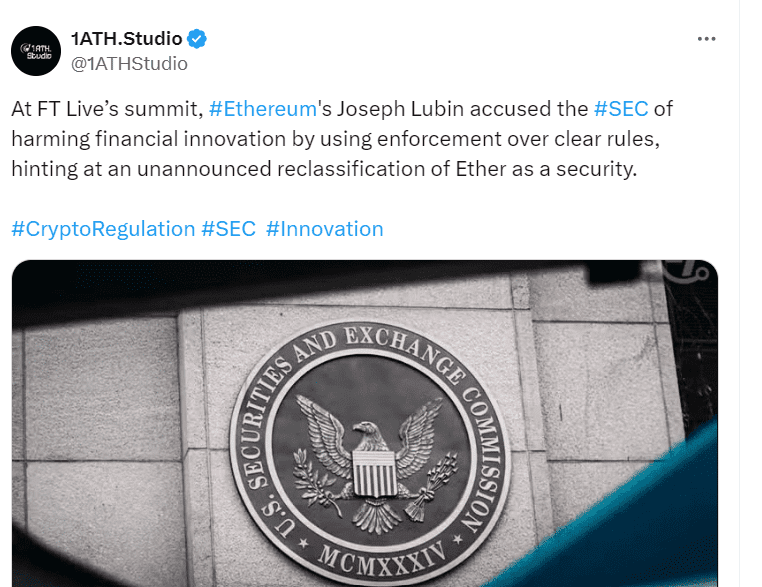
The situation intensified when ConsenSys, the company behind the MetaMask wallet, received a Wells notice from the SEC Ethereum regulatory team.
In response, ConsenSys has initiated legal action against the SEC to seek clarity from U.S. courts regarding Ethereum’s regulatory status. Joseph Lubin emphasized the significance of the lawsuit, noting that while the Commodity Futures Trading Commission previously classified Ether as a commodity, the SEC now suggests it may be a security.
Timing and Implications of SEC’s Actions on Ethereum
Lubin also highlighted the suspicious timing of the SEC Ethereum enforcement actions, which coincided with the agency’s deadline to decide on Ether spot exchange-traded funds (ETFs).
He suggests the SEC’s actions are strategic. They likely aim to justify denying the ETFs. Previously, similar actions followed after approving Bitcoin ETFs, boosting capital flow. According to Lubin:
“There’s a flurry of activity designed to enable them to say that their action wasn’t capricious.”
The broader implications of ConsenSys’s lawsuit against the SEC extend beyond Ethereum. Lubin condemns the SEC’s stance that digital wallets like Coinbase and MetaMask should be regulated as broker-dealers, calling this a “preposterous notion.”
He argues that this regulation could severely restrict technological innovation and user freedom in the U.S. The outcome of this battle may set a precedent, potentially stifling innovation in decentralized finance across the tech industry.
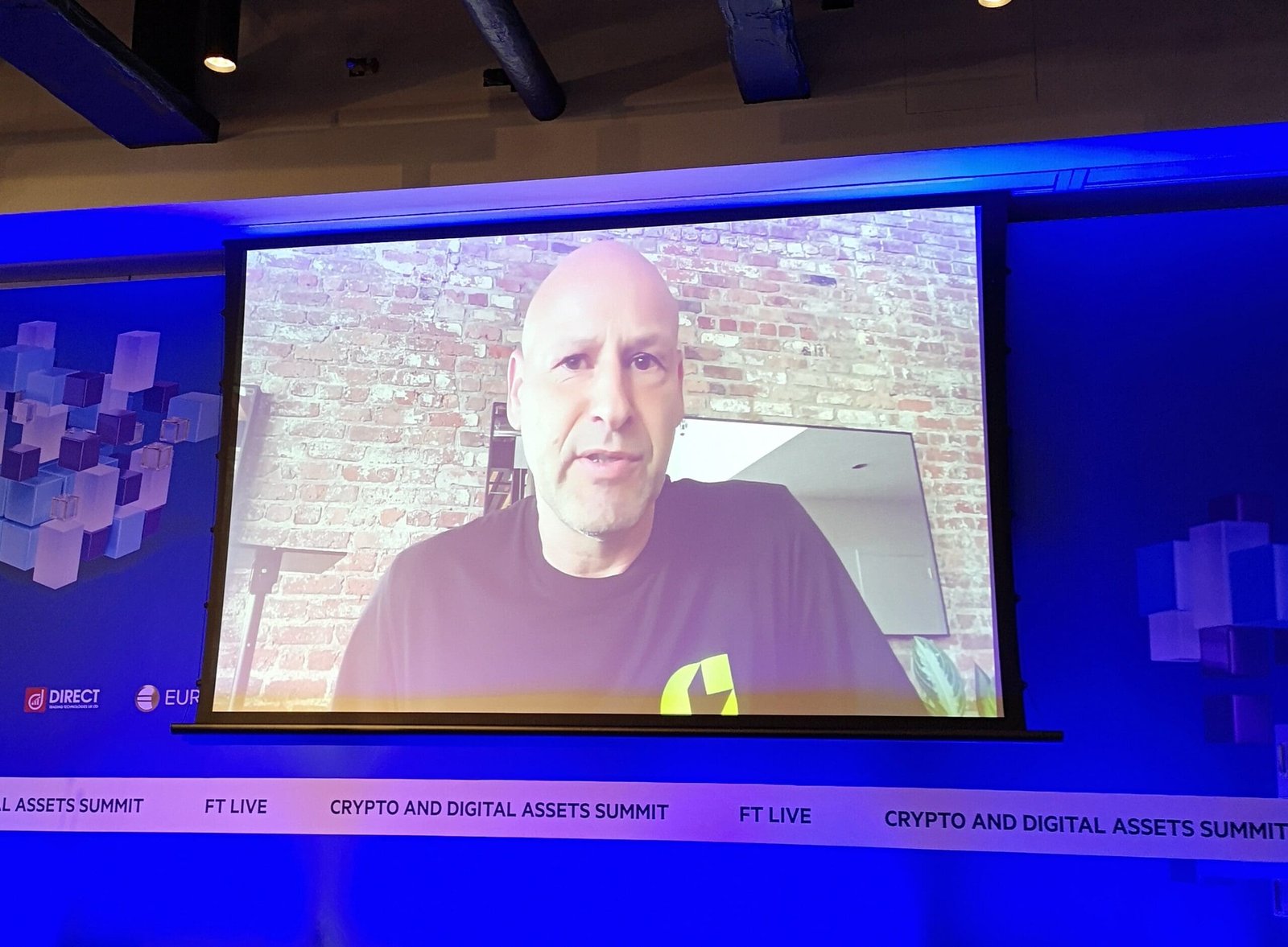
Lubin’s statements and the ongoing legal battle underscore a critical juncture for the cryptocurrency industry and regulatory practices in the United States, particularly concerning SEC Ethereum issues. As the situation unfolds, it will impact Ethereum’s future and could also shape digital finance. Blockchain technology in the country may evolve.



… [Trackback]
[…] There you will find 14786 additional Information to that Topic: coinchapter.com/sec-blocks-ethereums-path-to-transform-banking-claims-joseph-lubin/ […]
… [Trackback]
[…] There you can find 22596 additional Information on that Topic: coinchapter.com/sec-blocks-ethereums-path-to-transform-banking-claims-joseph-lubin/ […]
… [Trackback]
[…] Find More on that Topic: coinchapter.com/sec-blocks-ethereums-path-to-transform-banking-claims-joseph-lubin/ […]
… [Trackback]
[…] Find More Information here on that Topic: coinchapter.com/sec-blocks-ethereums-path-to-transform-banking-claims-joseph-lubin/ […]
… [Trackback]
[…] Find More Info here on that Topic: coinchapter.com/sec-blocks-ethereums-path-to-transform-banking-claims-joseph-lubin/ […]