

Task Description
Catex is a decentralized exchange (DEX) built on Uniswap v4 within the Unichain ecosystem, has launched a targeted airdrop campaign following the official release of its CATX token on July 15, 2025. The platform has allocated 3 million veCATX tokens for community distribution, with eligibility tied to UNI token holdings and liquidity activity on Unichain.
Task Description
Catex operates as the primary DeFi infrastructure on Unichain and serves as the third MetaDEX release under the DefiZoo franchise—after Lynex on Linea and Ocelex on Zircuit. Built on top of Uniswap v4, it incorporates programmable Hooks and Automated Liquidity Management (ALM) to create an efficient liquidity system for users.
The protocol implements a ve(3,3) governance model, designed to reward long-term participation. veCATX holders receive all platform trading fees and governance incentives.
To drive user onboarding, the platform has allocated 3,000,000 veCATX tokens for airdrop distribution. Two main user groups are eligible:
Wallets holding 34 or more UNI tokens on Unichain
Users who previously provided liquidity to UNI-based pools on the network
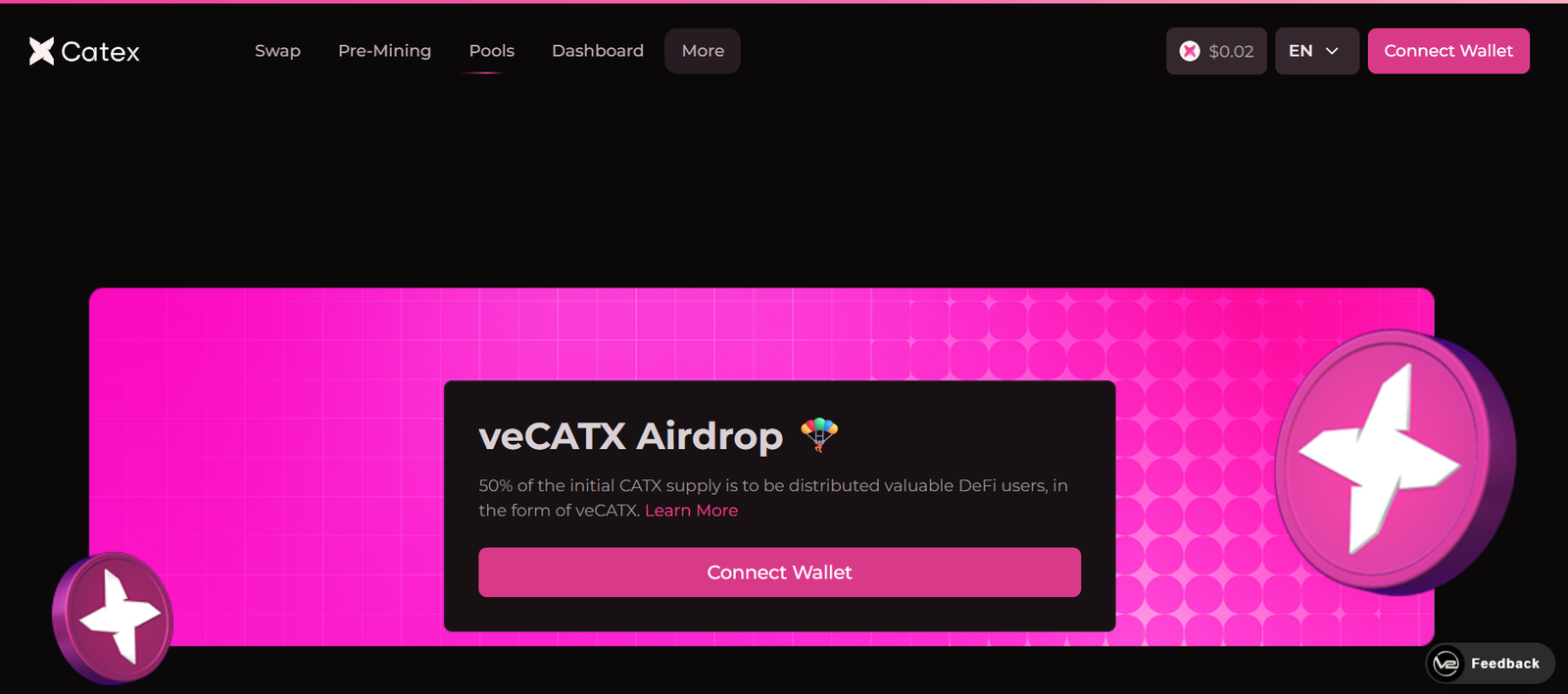
Eligible participants can claim their veCATX tokens through the platform’s airdrop page. These tokens grant governance rights and a share of platform-generated fees.
Understanding Catex Token Types
The Catex ecosystem features a structured token system with three key types:
CATX is the primary governance and utility token, launched at $0.10 during the initial IDO.
veCATX is the locked version of CATX. It grants holders full voting rights and 100% of platform trading fee distributions.
oCATX functions as an option token that allows holders to acquire CATX at a predetermined price in the future.
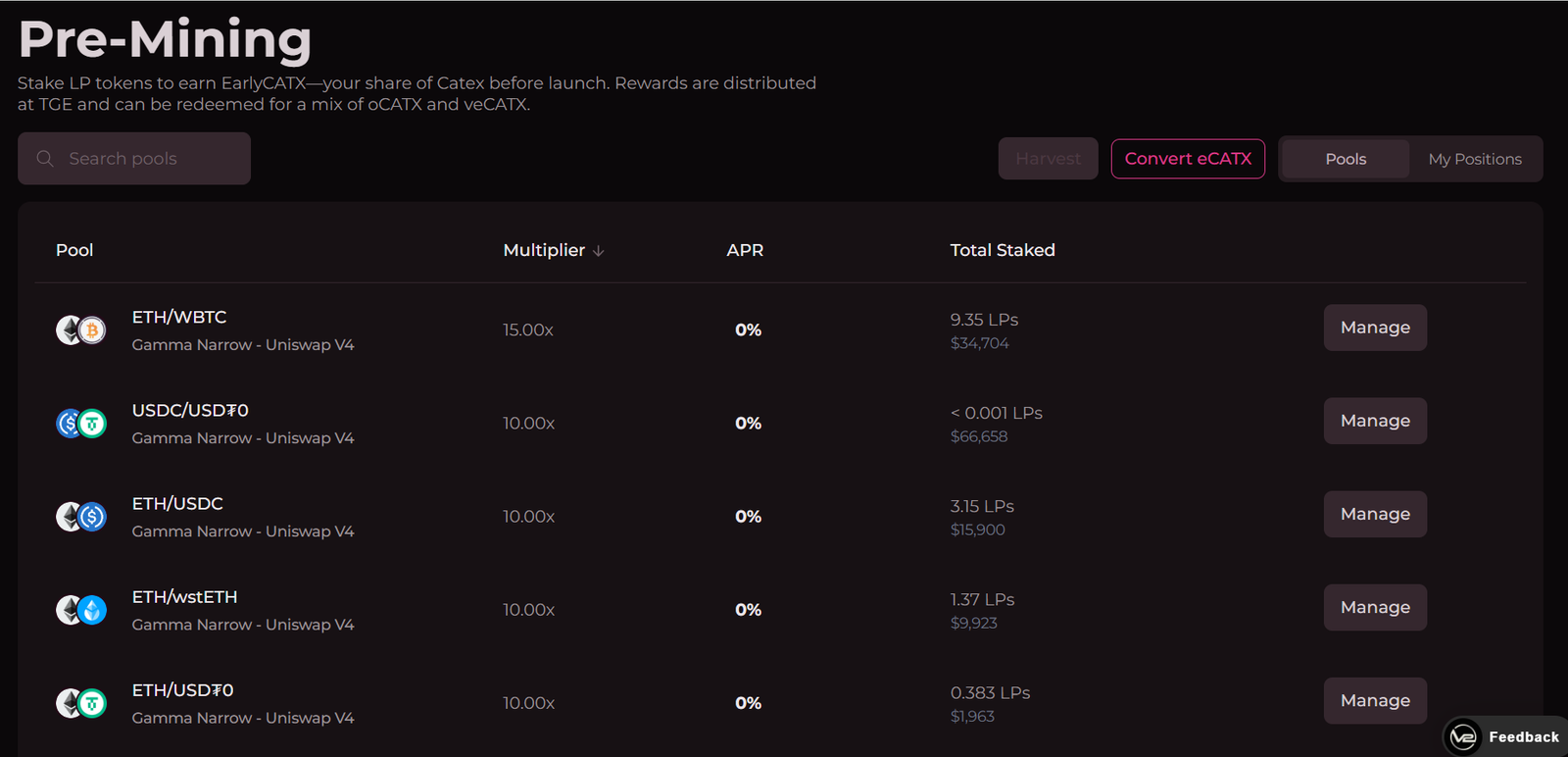
Users can earn EarlyCATX by staking LP tokens in pre-mining pools. These convert into a mix of veCATX and oCATX at token generation events. The protocol rewards long-term commitment — users who locked tokens during the IDO received up to 25% bonus CATX, depending on the duration of the lock (6, 12, or 24 months).
Step-by-Step Participation Guide
Acquire ETH: Buy ETH on Binance to cover transaction fees and provide the initial capital needed for bridging assets to Unichain.
Bridge assets to Unichain using Rhino bridge.
Connect a Web3 wallet such as MetaMask or WalletConnect to Catex’s app.
Verify eligibility through the airdrop interface.

Claim veCATX tokens, if qualified.
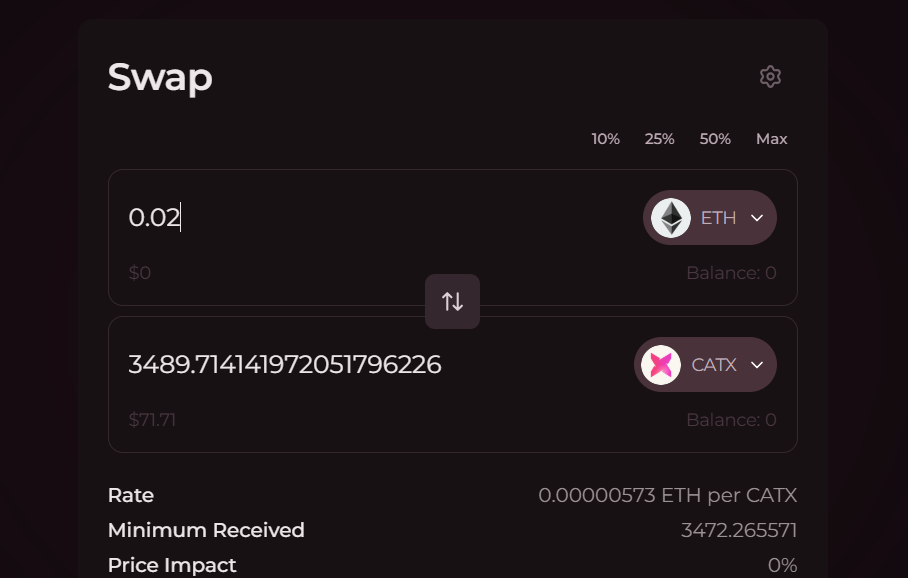
Start trading on the platform to increase engagement

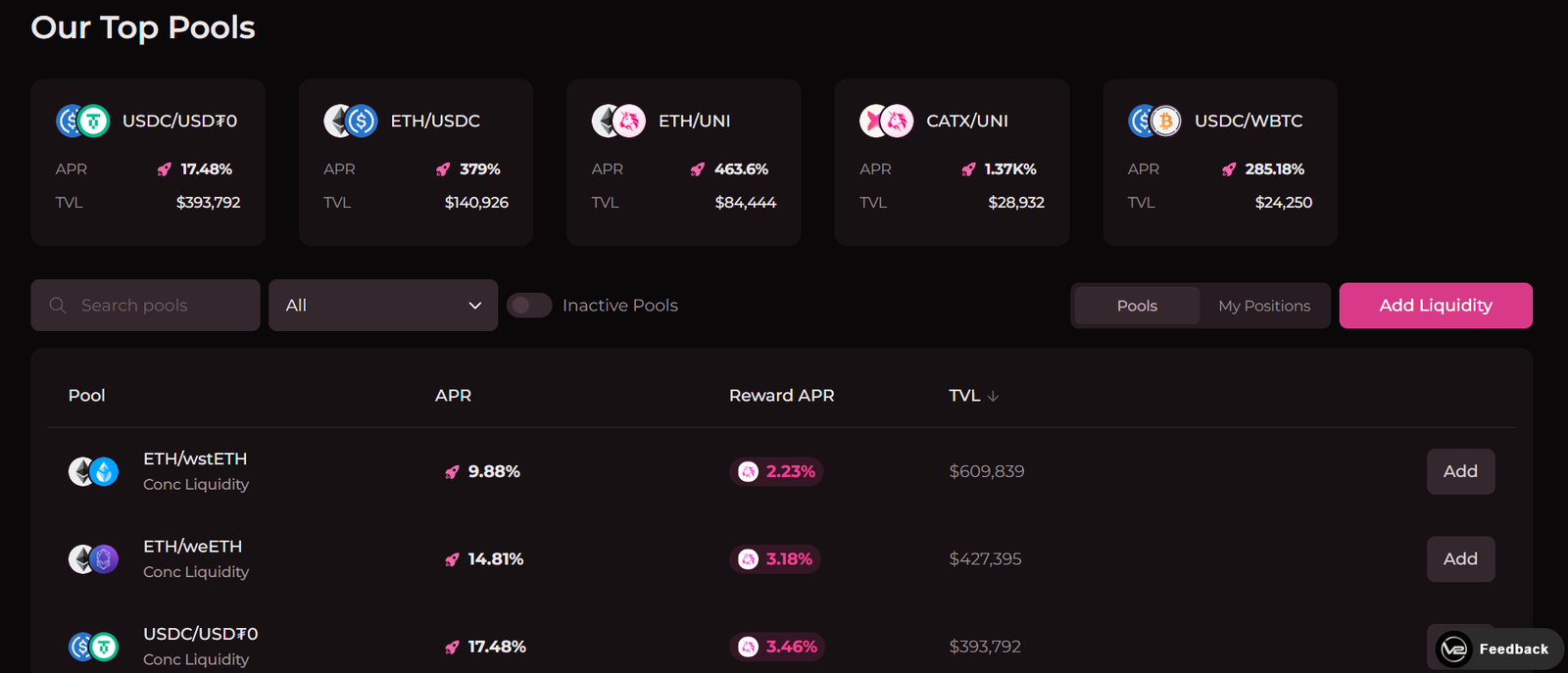
Provide liquidity to active pools on Catex.

Stake LP tokens via the Pre-Mining section to earn EarlyCATX rewards.

Continue active use of the platform to remain eligible for future community distributions.
Follow Catex on X for updates about additional drops and platform developments.
Tips for Maximizing Airdrop Rewards
To improve airdrop eligibility and token earnings:
Engage consistently with the platform. Regular trading shows real user behavior, not opportunistic activity.
Provide liquidity to high-volume pools, which generate more trading fees and platform data points.
Participate in pre-mining to earn EarlyCATX, which later converts to veCATX and oCATX.
Understand token mechanics and consider locking CATX into veCATX for access to governance and fee-sharing.
Lock tokens for longer durations to gain bonus rewards and voting power.
Time your liquidity moves around major platform milestones for better yield and visibility.
Pre-Mining and Liquidity Staking
Catex has launched a pre-mining program offering high APRs to early liquidity providers. Users can stake LP tokens from eligible pools to earn EarlyCATX rewards ahead of the full platform launch.
The platform prioritizes UNI-based trading pairs due to their compatibility with Uniswap v4’s underlying infrastructure. Liquidity is optimized through ALM, reducing risks such as impermanent loss while boosting potential returns for providers.
Governance and Fee Distribution
Catex follows a ve(3,3) model, rewarding long-term participation with 100% of the platform’s trading fees. veCATX holders receive weekly distributions based on the amount and duration of their locked tokens.
Voting rights are tied directly to veCATX balances, giving token holders influence over protocol decisions, including fee structures and ecosystem integrations. Governance participants also earn additional incentives for casting votes in protocol proposals.


