



YEREVAN (CoinChapter.com) — Crypto scams generated $9.9 billion in 2024, with pig butchering scams making up 33.2% of the total revenue. According to Chainalysis, these scams increased by 40% compared to the previous year. Pig butchering scams involve investment fraud combined with romance scams, where scammers gain victims’ trust before luring them into fake crypto platforms. Many of these operations originate in Southeast Asia, where fraud networks take advantage of unregulated digital finance platforms.

Crypto Fraud Networks Expand Across Southeast Asia
Scammers in Southeast Asia use Telegram-based platforms like Huione Guarantee to access fraud-related services. Huione Guarantee, a peer-to-peer (P2P) platform, enables money laundering and provides fraudsters with stolen personal data and social media management tools. The report states that since 2021, the platform has processed over $70 billion in crypto transactions, reinforcing its influence in the crypto fraud ecosystem.
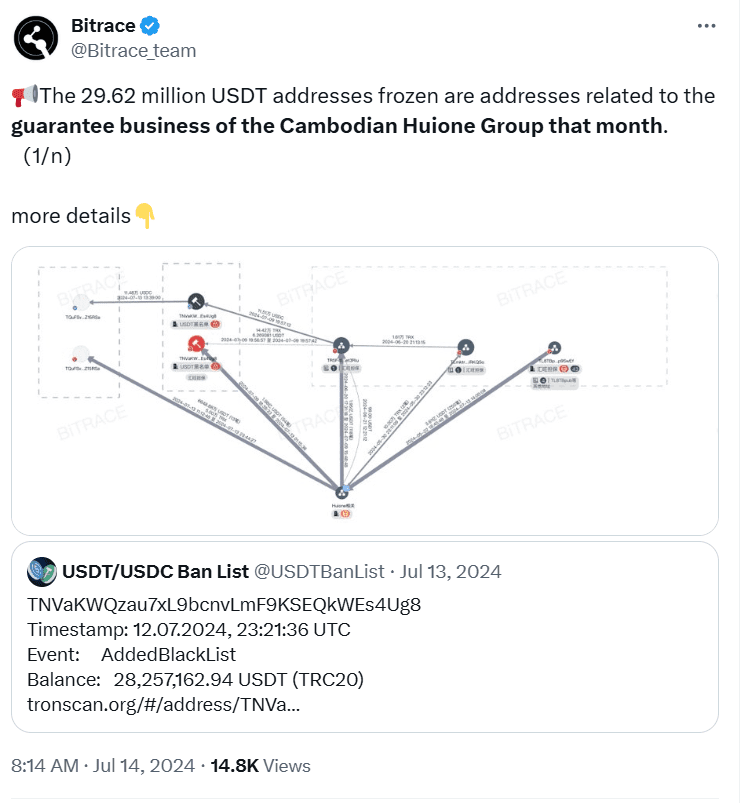
Authorities have taken action against these operations. Tether recently froze 29.62 million USDT linked to Cambodian criminal groups operating through Huione Guarantee. Research from Elliptic exposed the platform as a multi-billion dollar marketplace for online scams. The launch of the USDH stablecoin and Xone blockchain project further raised concerns about the increasing complexity of fraud networks.
Generative AI Fuels Crypto Fraud Operations
Advancements in generative AI have made crypto scams more deceptive. Fraudsters use AI to create fake investment platforms, bypass identity verification processes, and impersonate victims. The report highlights that AI-generated scams have significantly contributed to the rise in crypto fraud cases.
Other fraud tactics continue to grow, including address poisoning, where scammers mimic legitimate transactions to trick victims into transferring funds. Crypto drainers have become more common, with phishing attacks increasing by 170% in 2024, including scams impersonating the US Securities and Exchange Commission (SEC). AI-driven deepfake scams have also been used for blackmail and impersonation fraud.
Crypto ATMs Enable Large-Scale Fraud Operations
Cryptocurrency ATMs have become a major tool for crypto scams, with victims unknowingly transferring funds to fraudsters. Chainalysis reports that the FBI recorded a tenfold increase in consumer losses linked to crypto ATM scams since 2020. Fraudsters often convince victims that these transactions are for legitimate payments. One case involved a US citizen depositing $15,000 into Bitcoin ATMs under false pretenses before authorities intervened.
DeFi Complicates Law Enforcement Efforts
Crypto scams continue to evolve, making enforcement difficult. While centralized exchanges (CEXs) remain the primary channel for money laundering, the rise of decentralized finance (DeFi) has introduced new challenges for tracking stolen assets. Fraudsters use DeFi platforms and privacy tools to conceal their transactions, further complicating investigations.
Authorities struggle to keep up with these sophisticated fraud operations, as crypto scams become more difficult to trace. The increasing reliance on generative AI, crypto drainers, and DeFi services has made combating crypto fraud even more complex.


