


Fake airdrops have become a major threat in crypto, especially in 2024 and 2025, as scammers impersonated projects like Hamster Kombat and Wall Street Pepe to steal millions. Victims were tricked into connecting their wallets to malicious sites, often losing funds instantly. According to the FBI, crypto scam losses hit $9.3 billion in 2024, with fake airdrops playing a key role. Over 150,000 scam complaints were filed in the US alone, with seniors losing $2.8 billion.
A recent attack showed a fake CTG airdrop popup offering $5,500, draining wallets that interacted. Red flags include poor grammar, requests for private keys, and links not shared on official channels. These scams are growing more sophisticated, so crypto users must verify airdrops through trusted sources, avoid signing random approvals, and use wallets with built-in phishing alerts.
In crypto, a “free” airdrop can come at a high cost. Let’s learn more about it.
What’s a Fake Airdrop?
Airdrops are free token giveaways designed to reward users for engaging with a project, holding coins, joining communities, or completing simple tasks. Legitimate airdrops help projects grow their user base and reward early supporters.
But scammers exploit this popular marketing tool. They create fake airdrop campaigns that mimic real projects with cloned websites, fake social media profiles, and urgent messages. Their goal? To steal private keys, trick users into signing malicious contracts, or ask for upfront gas fees or payments, and then disappear with your crypto.
Even experienced crypto users can fall victim because these scams often look professional. Scammers prey on curiosity and greed, using social engineering to lower your guard.
How to Spot a Scam: 10 Red Flags
No official announcement: If the project’s verified social channels don’t mention the airdrop, it’s a red flag.
Requests for private keys or seed phrases: Legitimate projects never ask for these. Sharing them means losing your wallet instantly.
Upfront gas fees or payments: Real airdrops don’t cost anything. If you’re asked to pay ETH or tokens to claim rewards, it’s a scam.
Suspicious URLs or clone sites: Scam sites look almost identical but have slight differences in their web address. Always check carefully.
Poor grammar and pressure tactics: Scammers use sloppy language and urgent messages like “Claim now or lose out!” to rush you.
Fake comments and bot activity: Don’t trust overly positive reviews from fake accounts or bots designed to create false hype.
Unknown or shady projects: If a token lacks a white paper, roadmap, or verified team, avoid it.
Token approval traps: Some scams ask for wallet permissions that let them move your funds without further approval.
Redirects to wallet drainers: Clicking “claim” may lead to malicious apps that drain your wallet through hidden smart contracts.
Unrealistic reward promises: Offers like “Get $2,000 instantly” with no effort are bait to lure you in.
Real-Life Examples of Fake Airdrops
Several well-known projects have fallen victim to these scams:
Hamster Kombat: This viral tap-to-earn Telegram game was hit with phishing campaigns using fake airdrop pages to steal wallet credentials.

Wall Street Pepe (WEPE): A fraudulent site copied the official platform and tricked users into signing contracts that drained assets.

HEX: Scammers duplicated the HEX website to distribute fake airdrops, compromising wallets.
Sui: Users checking eligibility on a fraudulent site unknowingly approved malicious transactions.
LayerZero: Impersonator accounts on social media lured users to fake LayerZero pages asking for wallet connections.

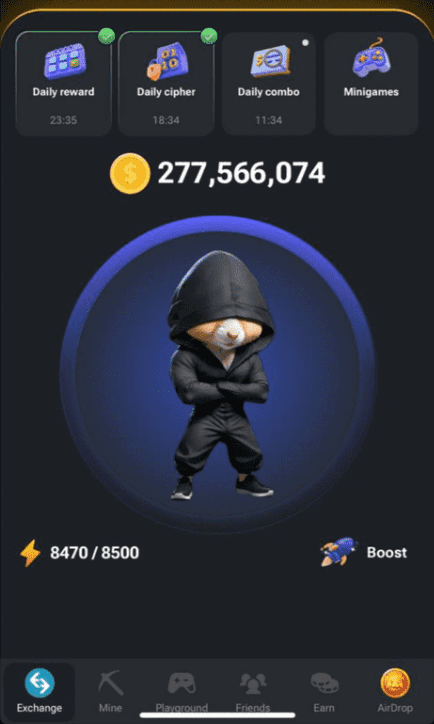
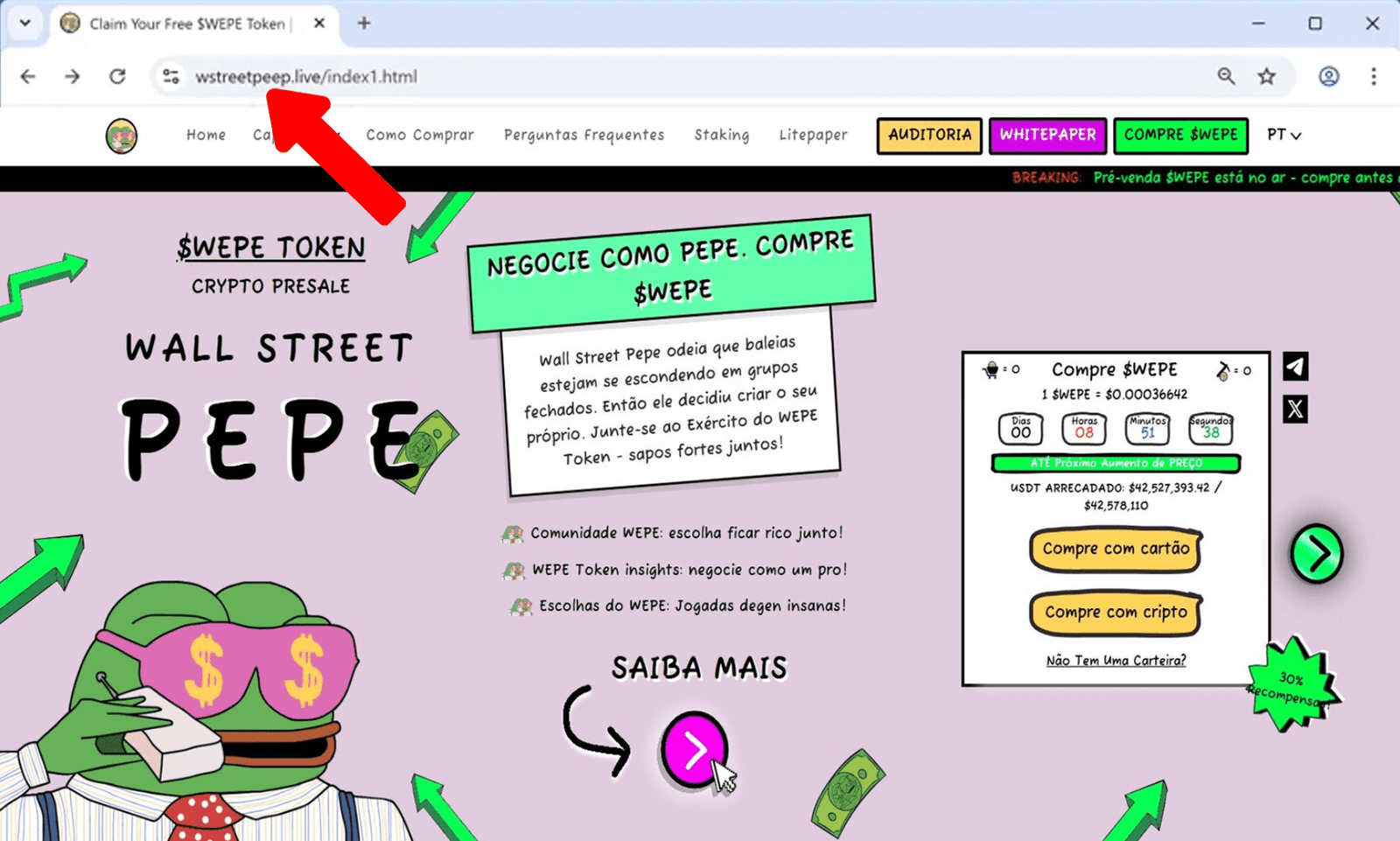

Additionally, the Inferno Drainer toolkit, active since 2023, allowed scammers to run widespread airdrop phishing attacks across multiple blockchains, stealing over $80 million. This “drainer-as-a-service” highlights how organized and ongoing these threats are.
Airdrops Get Smarter and Safer
Crypto projects are moving beyond simple free giveaways. They now reward genuine engagement — staking tokens, participating in governance, or using apps regularly. This approach weeds out bots and scammers who try to grab tokens without real involvement.
Retroactive airdrops reward users based on past activity, while snapshot-based rewards capture wallet states at fixed times, preventing last-minute manipulation.
Artificial intelligence and machine learning tools play a growing role in spotting suspicious wallets, fake accounts, and fraudulent behavior. These technologies help projects keep airdrops secure and fair.
This shift creates safer, more transparent token distributions that benefit both users and projects alike.


