


YEREVAN (CoinChapter.com) — The Financial Services Commission (FSC) will allow institutions in South Korea to sell crypto donations starting in the second half of 2025. Previously, charities and universities could not liquidate digital asset contributions. The new framework marks a shift in South Korea crypto regulations, easing restrictions on institutional transactions.
In addition, 3,500 corporations and professional investors will be permitted to open real-name crypto accounts in the first half of 2025. This pilot program will provide institutions with regulated access to the South Korea crypto market.

Institutional Crypto Trading Pilot Program
The FSC crypto policy includes a pilot phase allowing institutions to trade crypto assets under strict conditions. The regulator announced that in the second half of the year, a pilot test will be conducted for accounts designated for investment and financial purposes for institutional investors with risk-taking capabilities.
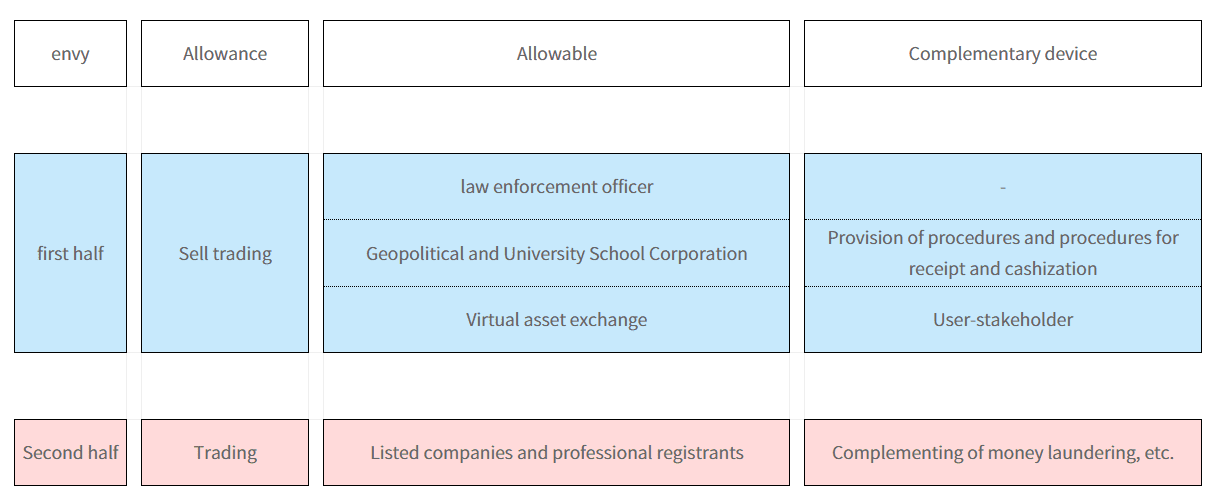
Since 2017, corporate crypto accounts have been restricted due to concerns over speculation and money laundering. This policy shift follows a gradual approach to expanding institutional crypto trading.
South Korea Crypto Regulations: Selling User-Generated Fees
Under the updated South Korea crypto regulations, crypto exchanges will be allowed to sell crypto holdings, including user-generated fees. The FSC crypto policy intends to standardize exchange practices while maintaining market stability.
Corporate Crypto Accounts to Be Closely Monitored
Although corporate crypto accounts were not officially banned, banks have avoided issuing them under regulatory guidance. The new framework will allow corporations with at least 10 billion won ($6.8 million) in financial investments to trade crypto assets.
The FSC crypto policy includes detailed reviews for corporations that are not classified as professional investors. The regulator will assess whether these entities meet the criteria for institutional crypto trading.
Crypto Pump and Dump Cases Raise Concerns
While allowing more institutional activity, the FSC crypto policy also addresses risks related to crypto pump and dump cases. The regulator identified sudden price fluctuations following token listings on crypto exchanges as a potential issue.
South Korea’s first recorded crypto pump and dump case was reported on Jan. 16 under the Virtual Asset User Protection Act, which took effect in July 2024. The suspects allegedly manipulated token prices within 10-minute intervals, generating hundreds of millions of Korean won in profits.
New Crypto Trading Guidelines for Market Stability in South Korea
The South Korea crypto market will introduce stricter crypto trading guidelines to prevent price manipulation. The FSC crypto policy outlines measures such as enhanced token listing standards, increased transparency in the listing process, and minimum circulating supply requirements for newly listed tokens.
A task force comprising the Financial Supervisory Service, Korea Federation of Banks, and Digital Asset eXchange Alliance will oversee the implementation of these crypto trading guidelines.


