


YEREVAN (CoinChapter.com) — Jeremy Allaire, co-founder of Circle, stated that all US dollar-backed stablecoin issuers should register with US authorities, regardless of their location. He emphasized that consumer protection and market fairness require clear rules for stablecoin companies offering services in the United States.
Allaire pointed out that some stablecoin issuers operate offshore but still target the US market. He argued that these firms should not have the freedom to avoid US regulations while selling their products.
“Whether you are an offshore company or based in Hong Kong, if you want to offer your US dollar stablecoin in the US, you should need to register in the US just like we have to go register everywhere else,”
he told Bloomberg.
US Lawmakers Propose Stablecoin Regulation Bill
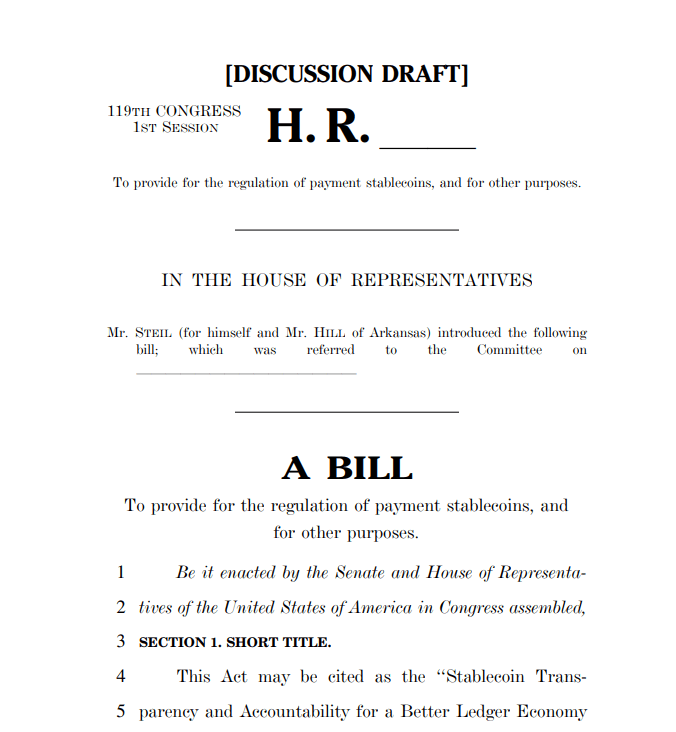
US Representatives French Hill and Bryan Steil recently introduced a bill aimed at establishing a stablecoin regulatory framework in the United States. If passed, the law would apply to all dollar-pegged stablecoins, ensuring compliance with US financial regulations.
The Trump administration has also shown interest in regulating stablecoins. David Sacks, the administration’s Crypto Czar, stated that stablecoins could strengthen the US dollar’s global position.
Tether Faces Growing Regulatory Pressure
Tether (USDT), the largest stablecoin by market value, is facing increasing scrutiny from regulators and competitors. Paolo Ardoino, Tether’s CEO, wrote on X on Feb. 25 that some competitors and political figures want to push Tether out of the stablecoin market.
“While our competitors’ business model should be to build a better product and even bigger distribution network, their real intent is ‘Kill Tether,’”
Ardoino wrote.
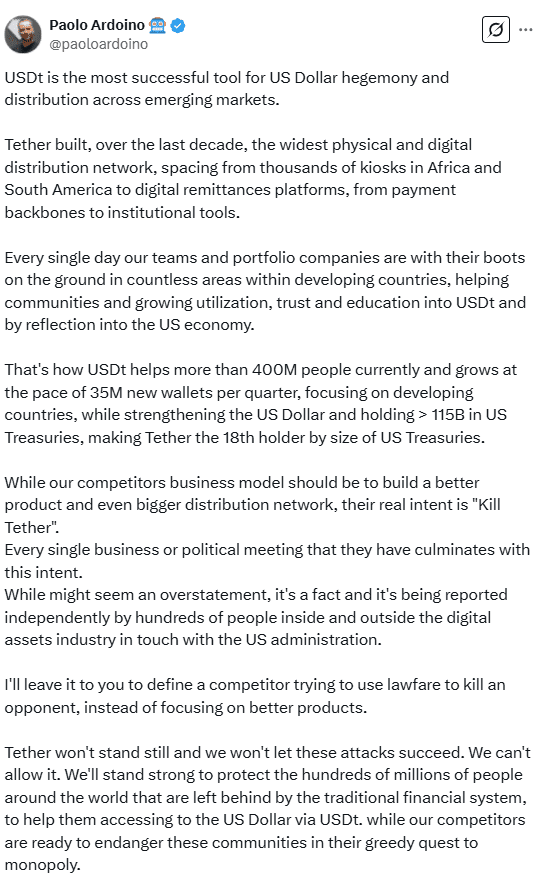
He added that business and political discussions often include efforts to limit Tether’s market presence.
Tether Excluded from EU’s MiCA Stablecoin List
Regulatory challenges for Tether extend beyond the United States. Under the Markets in Crypto-Assets (MiCA) framework, the European Union approved 10 stablecoin issuers, but Tether was not included.
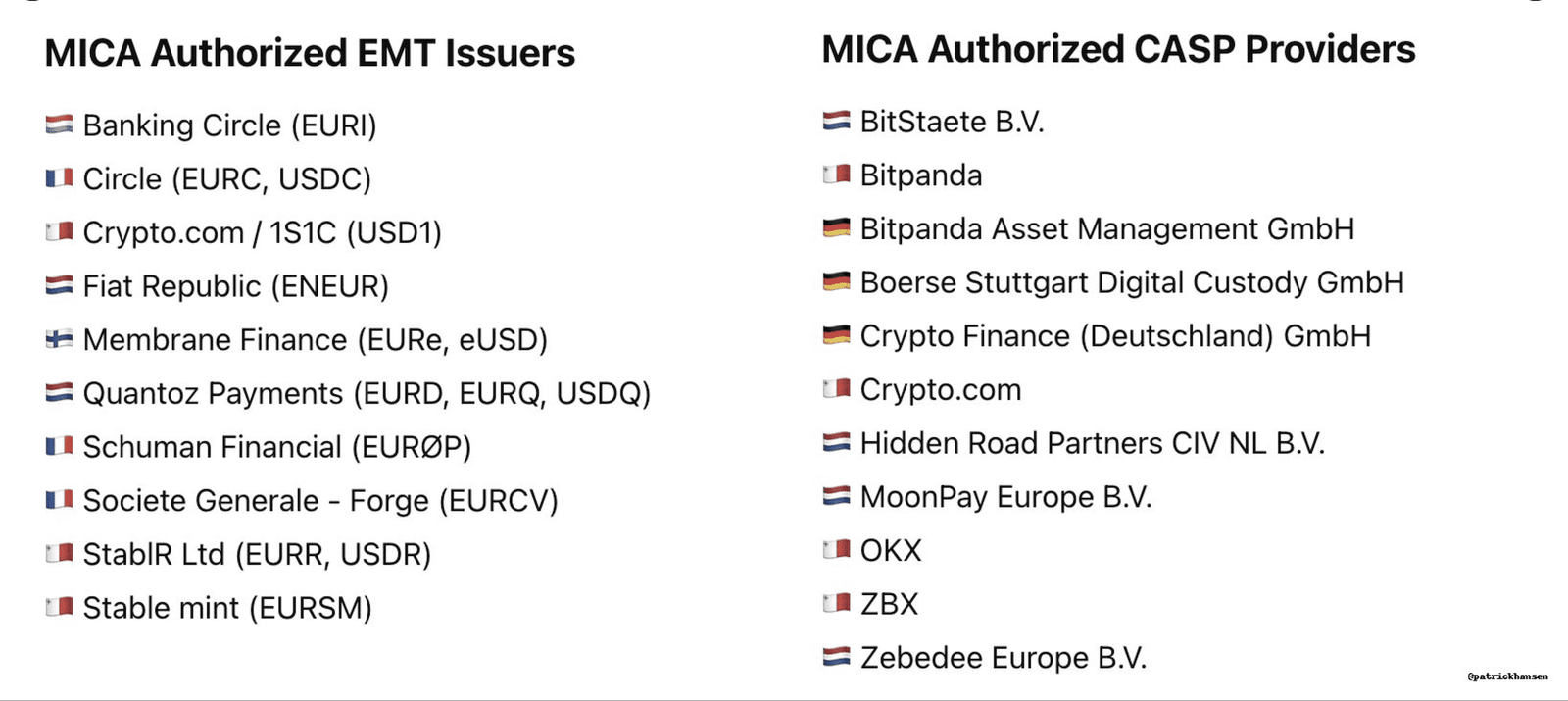
This exclusion has already impacted major crypto exchanges operating in Europe. Kraken announced that it would delist five stablecoins, including USDT, on March 31. Similarly, Crypto.com confirmed plans to remove USDT and nine other stablecoins from its platform starting Jan․ 31, 2025.
As stablecoin regulations evolve, issuers are adjusting to new compliance requirements in both the US and European markets.


