

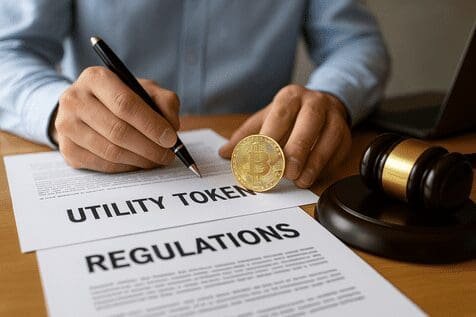

On June 21, 2025, the Thai SEC opened a public consultation to review token issuance rules for utility tokens. The new draft would allow crypto exchanges or individuals connected to them to issue utility tokens under regulatory oversight.
The Thai SEC stated that exchanges must reveal the names of everyone tied to the token issuer. This requirement aims to help the commission monitor potential insider trading. The feedback window gives local and global stakeholders a chance to weigh in before rules are finalized.
This move comes as the Thailand crypto regulation framework continues to evolve. The regulator highlighted that the rule would strengthen market transparency.
Thailand Balances Crypto Rules With Tourism and Tax Relief
In May 2025, the Thai government announced that tourists can use crypto via credit cards. This step aimed to promote digital payments for travel-related expenses.
However, the government also blocked access to OKX and Bybit, citing unlicensed activity and money laundering concerns. Both exchanges were operating without a license, according to the Thai SEC.
A month later, authorities waived capital gains tax on crypto sold through licensed exchanges. The waiver applies only to transactions done through approved platforms, in line with Thailand crypto regulation goals.
Insider Trading Cases Shape Thailand’s Crypto Oversight
The token issuance rules directly respond to past insider trading incidents. In 2022, the Thai SEC charged Bitkub’s Chief Technology Officer with using insider information to buy tokens before a company deal. Bitkub is one of the country’s largest digital asset exchanges.
Insider trading refers to the use of private data to trade assets ahead of public disclosure. The Thai SEC classifies this activity as illegal under its regulatory code.
The consultation suggests that the Thai SEC aims to close gaps in monitoring those issuing utility tokens linked to exchanges. Transparency requirements will help identify conflicts of interest.
Other Insider Trading Cases: U.S. and Binance Examples
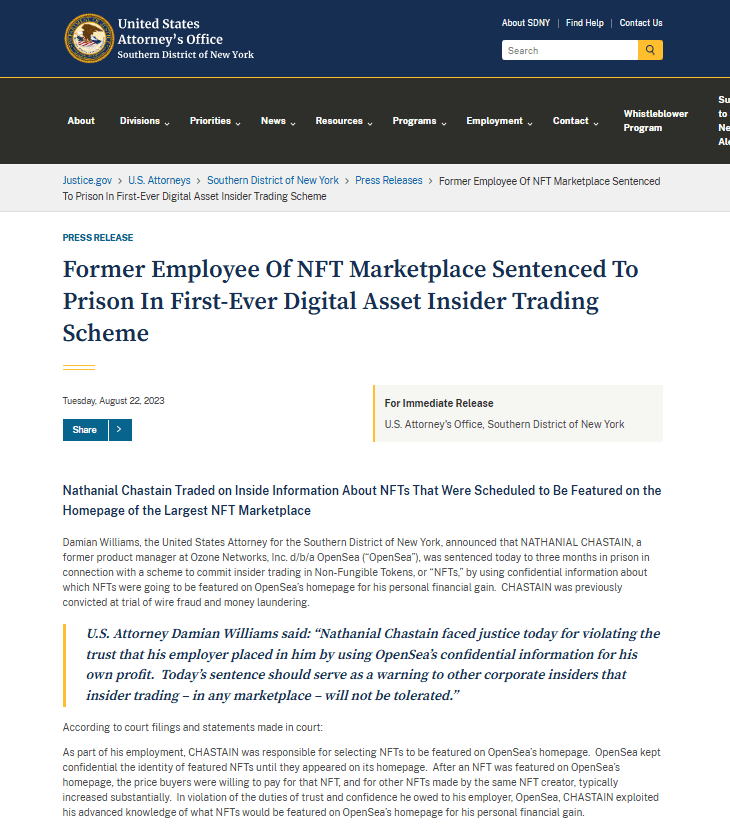
In 2021, OpenSea executive Nate Chastain used knowledge of upcoming NFT listings for personal gain. U.S. courts found him guilty of wire fraud and money laundering in 2023. He received a three-month prison sentence.
In 2022, three Coinbase employees faced insider trading charges. Two were sentenced after court rulings.
In March 2025, Binance suspended an employee during an internal probe into insider trading. The company did not release the person’s name.
Blockchain data analysts also flagged a whale wallet involved with Official Trump (TRUMP) token. The wallet accumulated TRUMP ahead of price moves, raising insider trading concerns. No public charges have been filed in that case.
Utility Token Issuers Must Disclose Identity Links Under Thai SEC Plan
The proposed token issuance rules cover those creating or distributing utility tokens tied to crypto exchanges. If finalized, these rules will force platforms to file the names of all parties with financial or control interests in a token project.
The Thai SEC noted that full identity disclosure is necessary to spot abuse. No set date has been announced for when the rules would take effect. The public comment phase is still open.
Once the consultation ends, the Thai SEC may adjust the framework based on the feedback. The new system will not cover security tokens, focusing instead on utility tokens issued within the Thailand crypto regulation structure.


