


YEREVAN (CoinChapter.com) — The latest US Consumer Price Index (CPI) report shows inflation at 3.1%, slightly below the 3.2% forecast. The headline inflation rate also fell by 0.1%, suggesting a slowdown in price growth.
Lower inflation raises speculation about potential Federal Reserve interest rate cuts. According to Matt Mena, a crypto research strategist at 21Shares, cooling inflation data supports the possibility of rate cuts, which could impact financial markets.
Mena noted:
“Rate cut expectations have surged in response—markets now price a 31.4% chance of a cut in May, up over 3x from last month, while expectations for three cuts by year-end have jumped over 5x to 32.5%, and four cuts have skyrocketed from just 1% to **21%.”
Bitcoin Price Drops Despite Lower Inflation
Despite the CPI report, Bitcoin (BTC) price declined. BTC opened above $84,000 but later dropped to $83,000 as investors reacted to US economic policies and macroeconomic uncertainties.
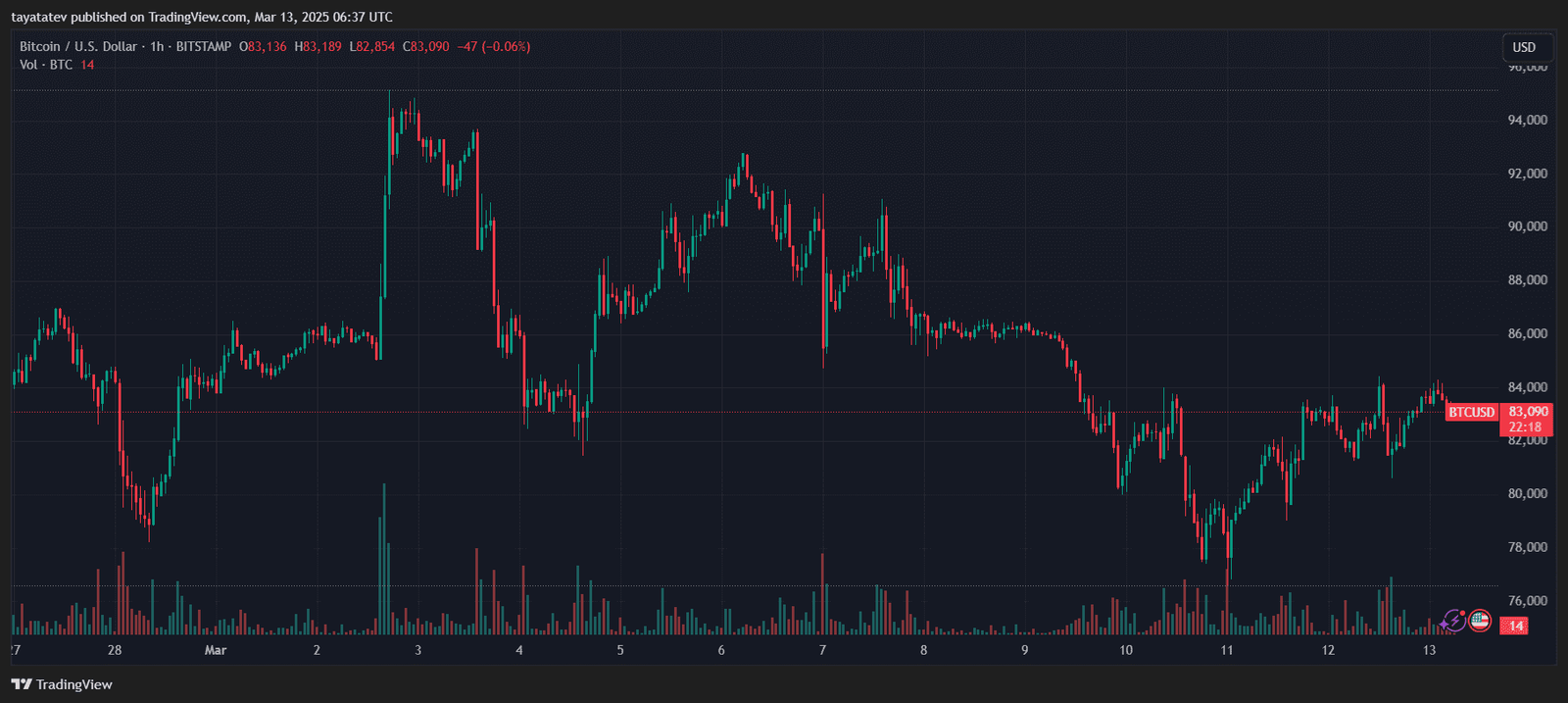
Crypto markets often respond to interest rate decisions and inflation trends. However, market volatility remains high due to Federal Reserve policies and broader economic conditions.
Federal Reserve Maintains Cautious Stance on Interest Rates
Federal Reserve Chairman Jerome Powell and Governor Christopher Waller have repeatedly stated that the central bank is not rushing to cut rates.
During a Feb. 17 speech at the University of New South Wales in Sydney, Australia, Waller said the Federal Reserve should wait for inflation to decline further before adjusting interest rates.
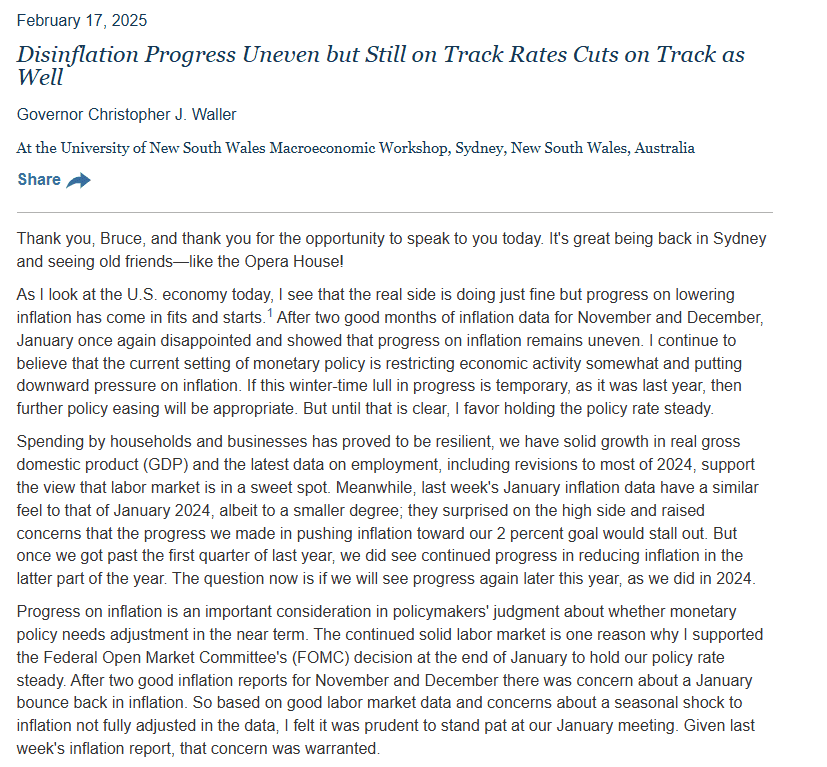
Market participants have raised concerns that delaying rate cuts could impact asset prices and lead to further market fluctuations.
Trump’s Role in the Interest Rate Debate
On March 10, investor and analyst Anthony Pompliano suggested that US President Donald Trump might be influencing financial markets to push for Federal Reserve rate cuts.

The US government faces a significant financial challenge, with $9.2 trillion in debt maturing in 2025. According to The Kobeissi Letter, refinancing this debt at current interest rates would increase the national debt, which now exceeds $36 trillion.
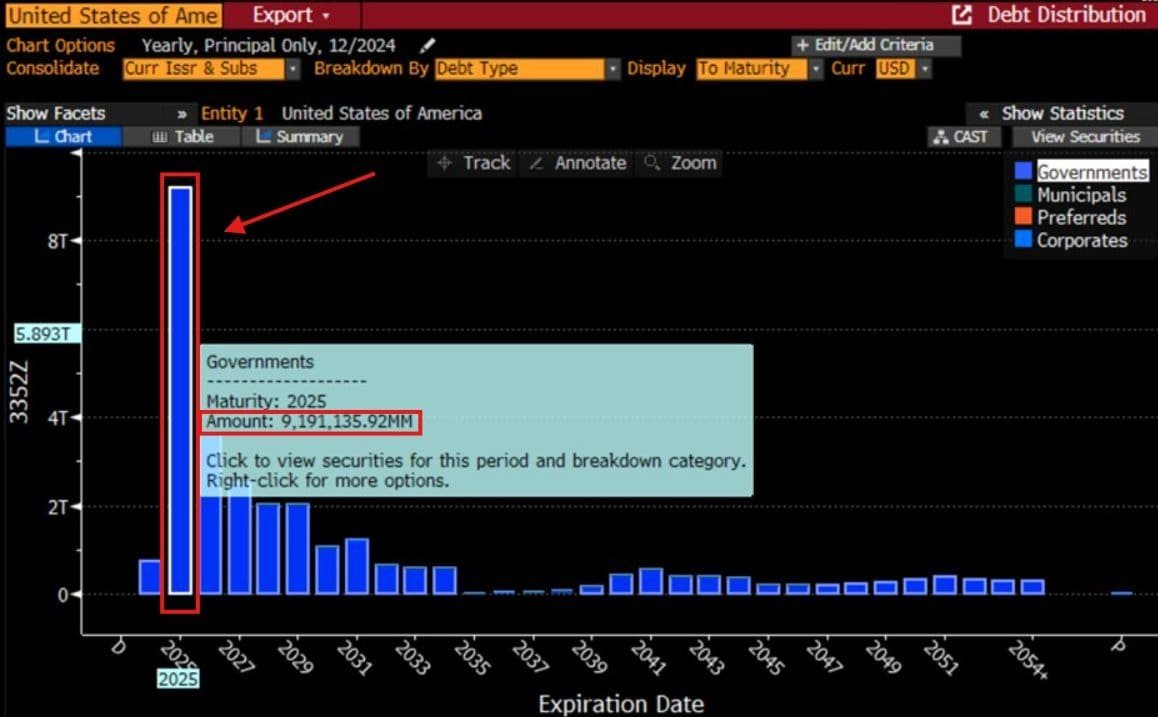
Lower interest rates could reduce debt servicing costs, but current Federal Reserve policies and macroeconomic conditions continue to shape market movements.


