


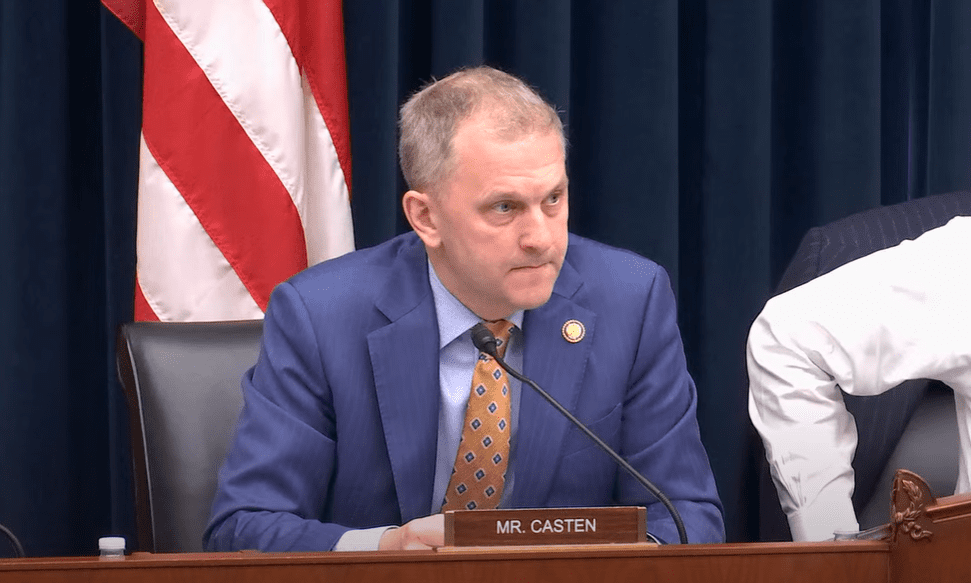
YEREVAN (CoinChapter.com) — During a March 5 hearing of the House Financial Services Committee, Representative Sean Casten raised concerns that crypto-friendly rules could weaken national security. The discussion focused on H.R. 1716, the Taiwan Conflict Deterrence Act of 2025.
Casten claimed that financial surveillance would be more difficult under the proposed rules. He accused President Donald Trump and Elon Musk of undermining Anti-Money Laundering laws.
“They are pushing crypto-friendly rules that would make it essentially impossible to determine the source of funds that are being used to be transferred.”
He also linked ransomware attacks to cryptocurrency, stating:
“100% of the ransomware attacks in the United States are funded by crypto.”
US Lawmakers Debate Financial Oversight
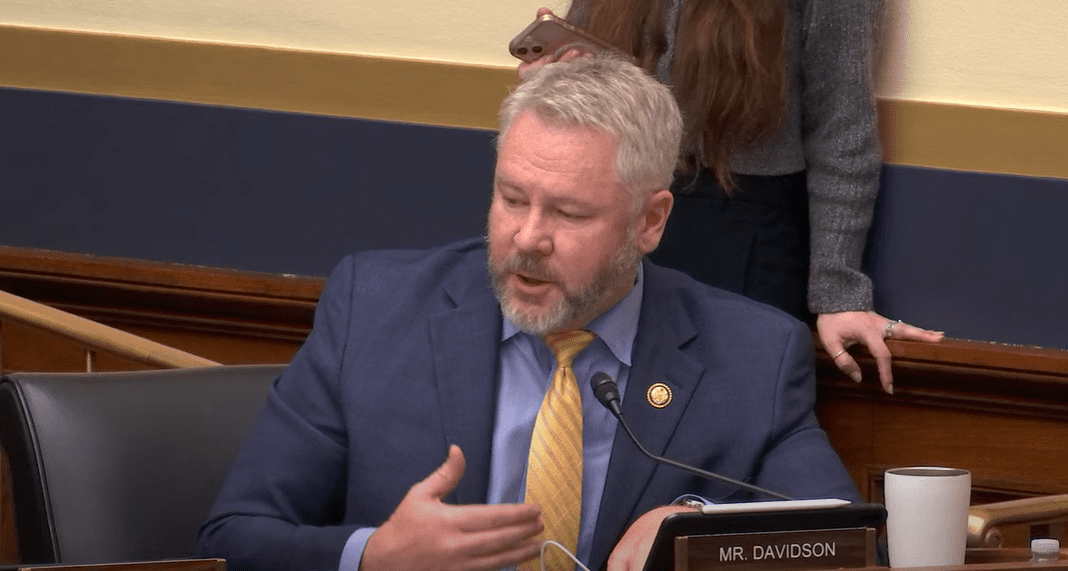
Pro-crypto lawmakers challenged Casten’s position. Warren Davidson dismissed the arguments, saying:
“When we hear Mr. Casten throw out all sorts of things, we get it — he wants a surveillance state.”
Davidson warned that financial surveillance should not expand beyond its intended purpose. He cautioned that excessive monitoring could push the United States toward policies similar to China.
Crypto Regulations and the Surveillance Debate
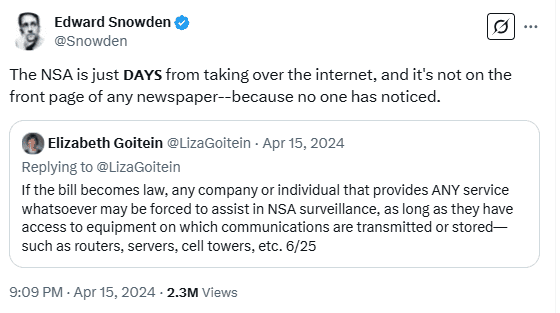
The debate over crypto regulations aligns with broader concerns about government surveillance. In April 2024, Edward Snowden warned that the National Security Agency (NSA) was increasing its control over the internet.
He cited the expansion of Section 702 of the Foreign Intelligence Surveillance Act (FISA). Snowden argued that the new provisions could require individuals in service industries to assist in financial surveillance.
In November 2024, Snowden also addressed concerns about centralized blockchains and artificial intelligence. He suggested that decentralization could help prevent expanded government monitoring.
AI Surveillance Raises Security Concerns
David Holtzman, a former military intelligence professional, warned about the role of artificial intelligence in financial surveillance. Speaking in December 2024, he described AI-driven oversight as a significant risk to digital privacy.
Holtzman pointed to the need for decentralized security protocols to counterbalance government surveillance. He argued that centralized financial oversight could lead to long-term restrictions on financial transactions.
Lawmakers Remain Divided on Crypto Regulations
The discussion over crypto-friendly rules reflects the divide among US lawmakers. Some argue that financial surveillance is necessary to combat money laundering and ransomware attacks. Others believe that excessive financial oversight could restrict individual privacy.
With ongoing debates in Congress, lawmakers continue to assess how crypto regulations will shape national security and financial policies in the future.


