

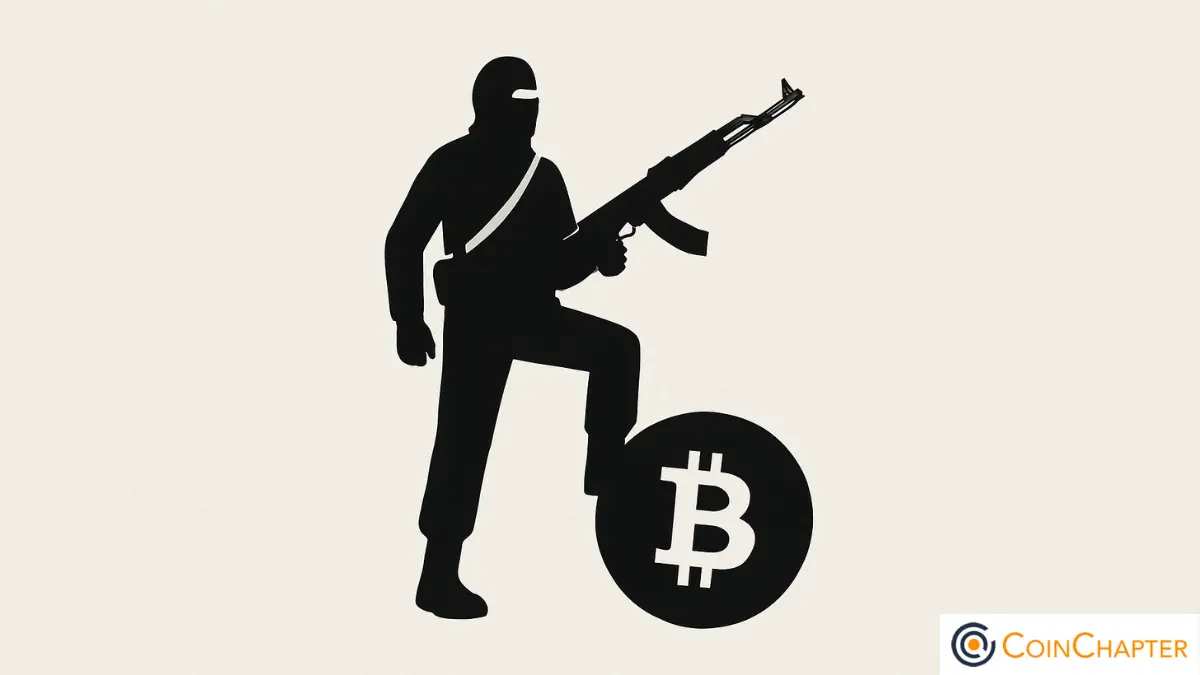

Boko Haram has adopted cryptocurrency as a tool for financing, using digital wallets, mobile money apps, and peer-to-peer (P2P) platforms to move funds discreetly.
Cryptocurrency is Reportedly Aiding Boko Haram’s Terrorism Activities
According to terrorism analysts, the group is funding logistics, weapons, and other operational needs using money obtained through ransom payments, looting, and coerced local donations known as zakat.
Oge Samuel Okonkwo, a regional security analyst, noted that Boko Haram is “leveraging cryptocurrency’s decentralized nature to fund its low-cost but deadly operations.” With banks no longer part of the equation, tracking financial flows has become more difficult for law enforcement.
Following Nigeria’s 2021 ban on banks facilitating crypto transactions, users shifted to P2P platforms that allow direct crypto trades without intermediaries. These platforms, combined with unregulated exchange services and anonymous wallets, have allowed Boko Haram to bypass oversight mechanisms.
Nigeria’s crypto activity is substantial. Between July 2023 and June 2024, more than $59 billion in crypto was traded locally. Around a third of the population now uses digital currencies for regular transactions, making the detection of illicit activity even more challenging.
Authorities say some local organizations and NGOs have unknowingly helped launder Boko Haram’s funds by acting as intermediaries on these platforms.
Nigeria’s Response and Remaining Challenges
In 2024, Nigeria froze over 1,100 bank accounts linked to suspected terror financing. Public awareness campaigns have also been launched to warn crypto users—especially younger traders—about unknowingly participating in illicit transfers.
There have been convictions. In July 2024, 85 individuals were sentenced in Nigeria for funding terrorism. Similarly, in 2020, six Nigerians were convicted in the UAE for transferring $780,000 to Boko Haram via crypto.
Still, analysts point to poor coordination between regulators and law enforcement as a key weakness. Many banks and financial institutions also lack the tools needed to trace how physical cash is converted into digital assets.
Experts recommend improving digital finance regulations, investing in blockchain tracking tools, and enhancing cross-border cooperation to better detect and disrupt extremist financing networks.


