


YEREVAN (CoinChapter.com) — El Salvador, the first country to make Bitcoin legal tender, has changed its Bitcoin law following a $1.4 billion deal with the International Monetary Fund (IMF). The amendments aim to comply with the IMF agreement but introduce uncertainty about the government’s future Bitcoin purchases.
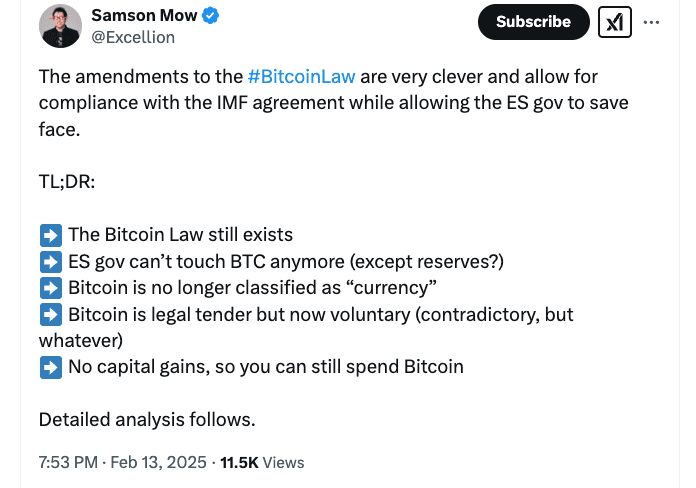
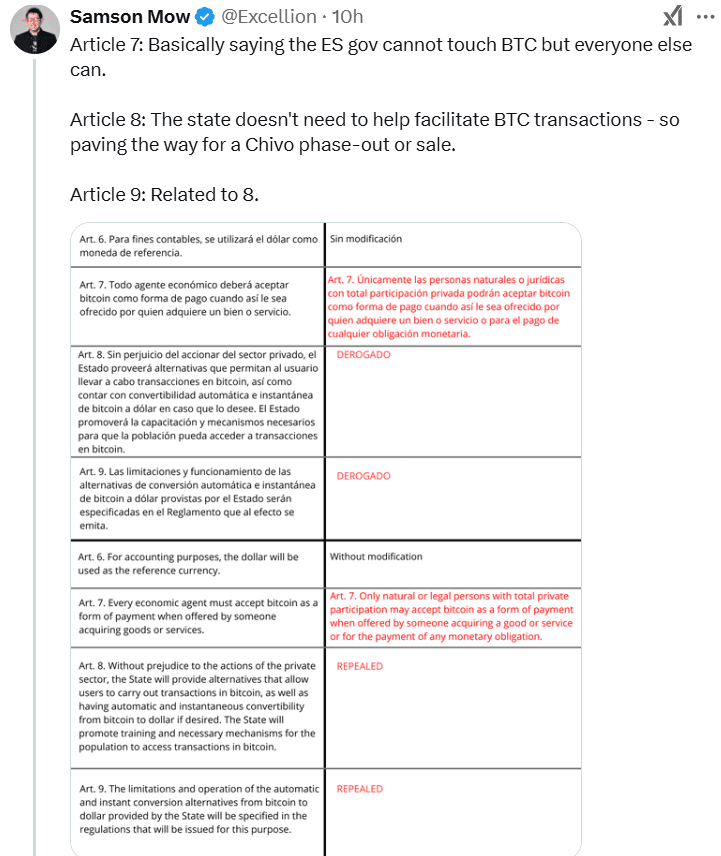
According to Jan3 CEO Samson Mow, the amendments create contradictions. He stated on Feb. 13 that Bitcoin “both is and isn’t legal tender” in El Salvador after the changes.

IMF Pushes El Salvador to Reduce Bitcoin Adoption
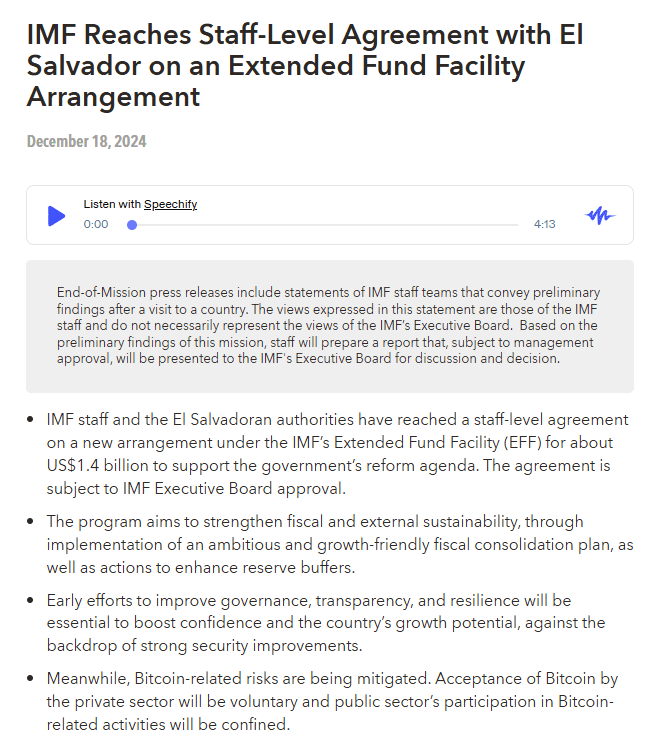
The original Bitcoin law, passed in September 2021, required all businesses in El Salvador to accept Bitcoin payments. The government also made its first Bitcoin purchase that month to encourage adoption.
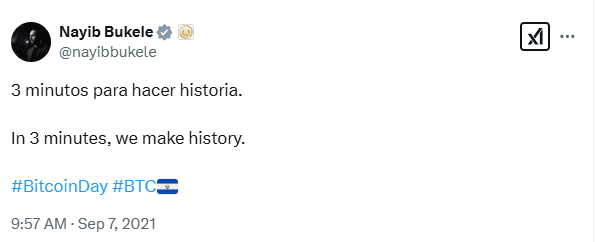
The IMF has repeatedly raised concerns about El Salvador’s Bitcoin policy, warning about financial stability risks. In December 2024, the IMF and El Salvador agreed on a $1.4 billion loan, requiring the country to limit its Bitcoin usage. By January 2025, Salvadoran lawmakers approved amendments to comply with the agreement.
Bitcoin’s Legal Status Changes
The revised Bitcoin law removes Bitcoin’s classification as a currency but defines it as “voluntary legal tender”. This change reduces its legal role compared to the original version of the law.
Mow pointed out that the amendments also prohibit the payment of tax payments and government fees in El Salvador using Bitcoin. This limits Bitcoin transactions for official purposes.
Government Faces Limits on Bitcoin Purchases
The changes prevent the Salvadoran government from using public funds to buy more Bitcoin. According to Mow, the amendments state that the government cannot touch BTC, raising doubts about future Bitcoin investments.
Article 8 of the law also removes the state’s obligation to facilitate Bitcoin transactions, which could lead to the closure or sale of Chivo, the government-backed Bitcoin wallet launched in 2021.
IMF Agreement Leaves Bitcoin Purchases Uncertain
Mow pointed to unclear language in the IMF agreement, released on Dec. 18, 2024. The document does not specify whether El Salvador can continue to buy Bitcoin.
He noted that the word “confined” in the text could mean different things. While the government still holds Bitcoin reserves, future purchases may be restricted.
Mow also said that laws can change based on political shifts in El Salvador. He stated that Bitcoin adoption depends on whether people continue using it, regardless of government policies.
The IMF agreement and the new Bitcoin law introduce uncertainty about El Salvador long-term Bitcoin strategy.


